English
 French

Why Do Your Busbar Punching Dies Wear Out So Fast? 5 Maintenance Tips
Introduction
In high-volume switchgear and electrical cabinet manufacturing, busbar punching dies are critical consumable tooling. However, premature die wear, burring on copper edges, and sudden punch chipping cause costly machine downtime and material waste. Understanding the root causes of die degradation and adopting preventive maintenance is key to maintaining consistent fabrication quality on your 3-in-1 or CNC busbar processing machines.
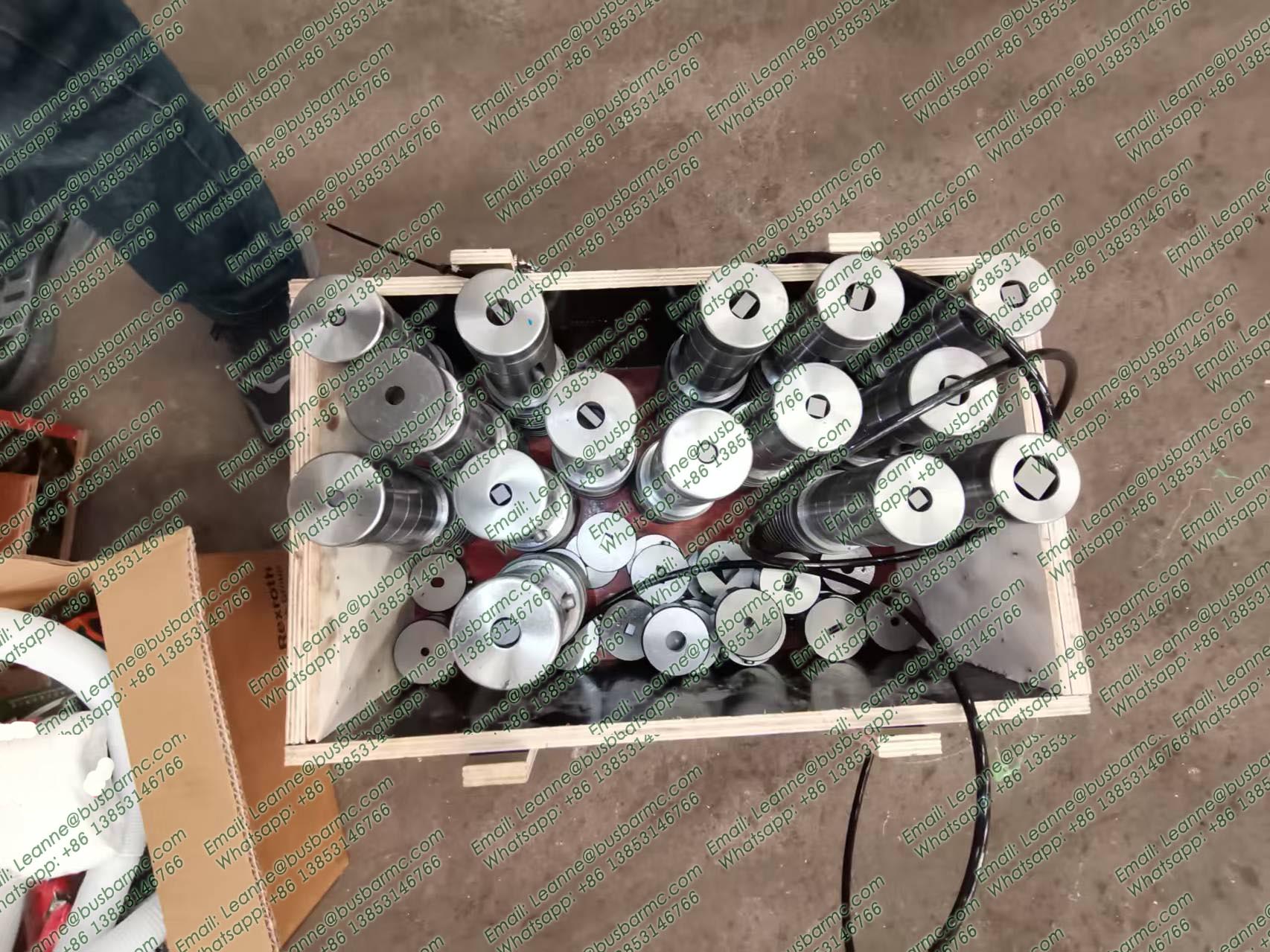
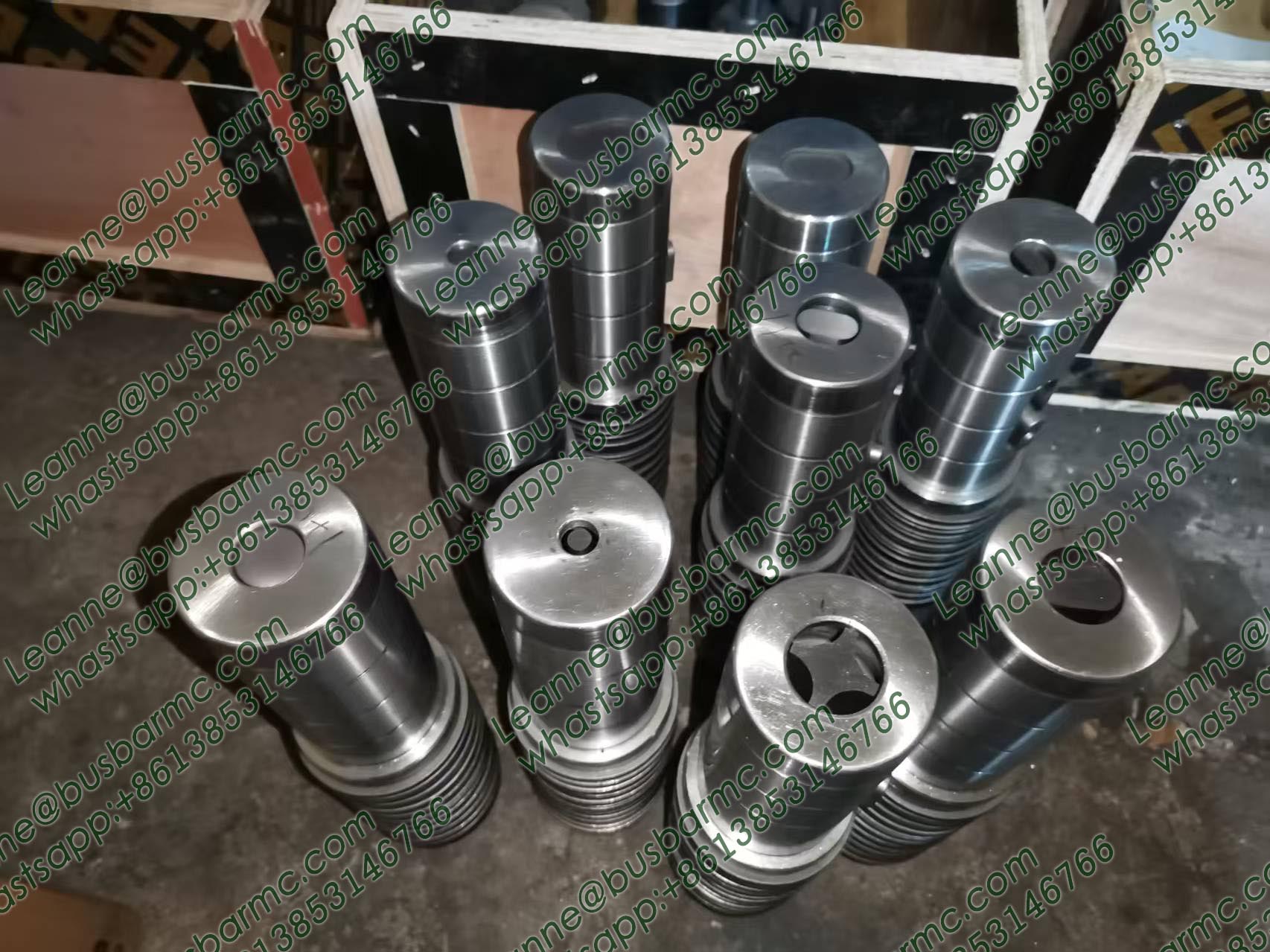
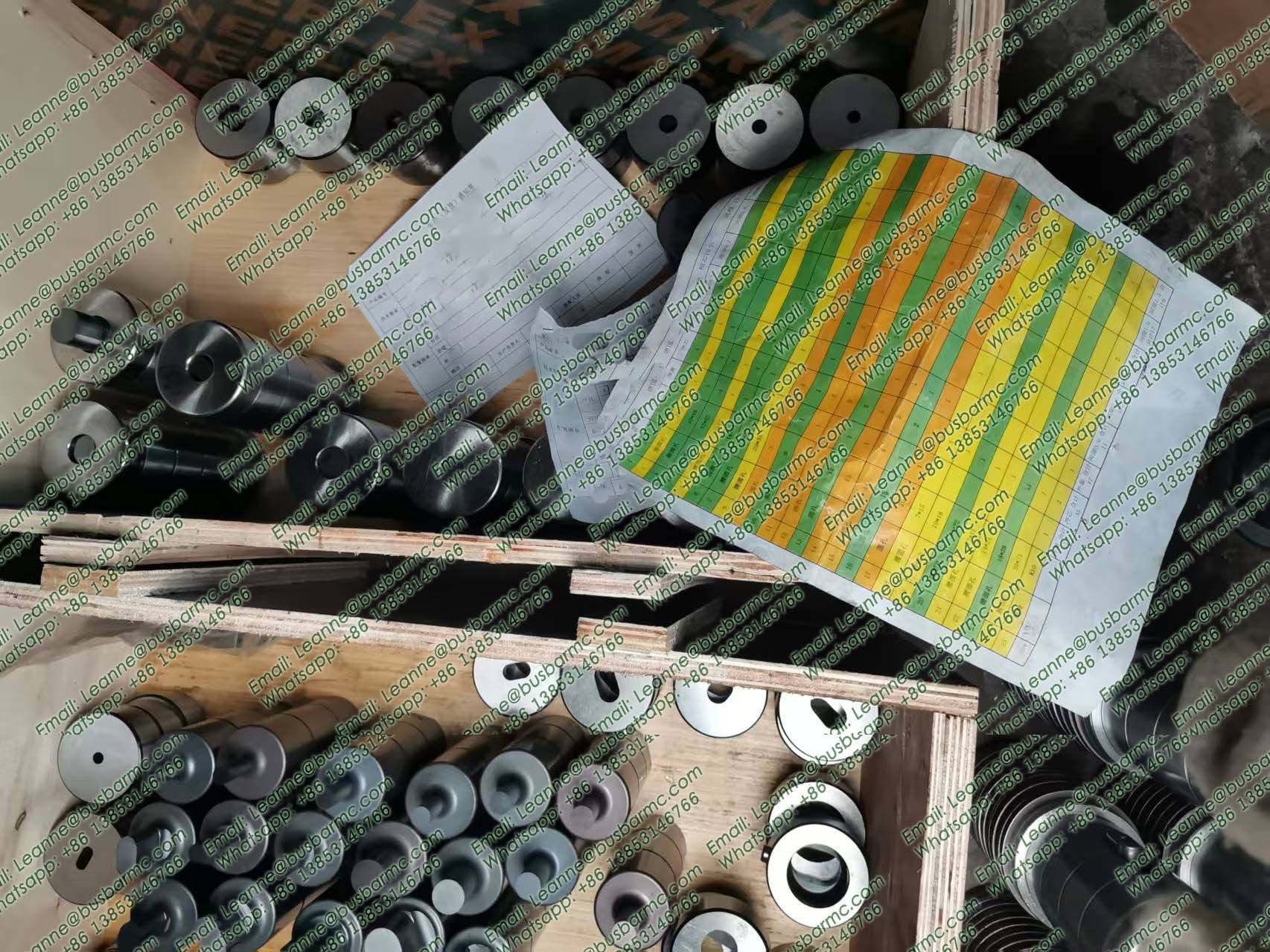
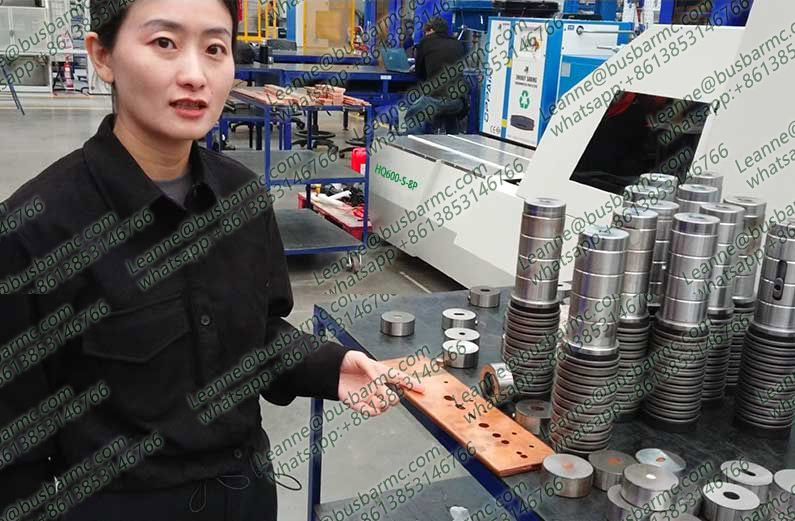
5 Major Causes of Rapid Punching Die Wear and How to Fix Them
1. Incorrect Die Clearance (Punch-to-Die Gap Misalignment)
The Issue: Die clearance is the spatial gap between the upper punch pin and the lower die opening. Using a clearance that is too tight increases cutting friction, leading to severe galling and overheating. Conversely, excessive clearance causes heavy burrs on copper bars and structural chipping of the punch tip.
The Fix: Always select lower dies based on the copper busbar thickness ($t$). As a rule of thumb for copper ($T2/C11000$), total die clearance should be kept between 5% and 10% of material thickness.
2. Inadequate or Improper Lubrication
The Issue: Dry punching causes direct metal-to-metal contact between the high-speed tool steel die and the raw copper bar. Copper particles adhere to the punch surface (galling), destroying dimensional accuracy and accelerating cutting edge wear.
The Fix: Apply extreme-pressure (EP) industrial stamping oils or heavy-duty synthetic lubricants to the punch tip and die surface before high-frequency production runs. Automated oiling systems on modern CNC busbar machines dramatically improve die longevity.
3. Exceeding Maximum Rated Material Thickness or Hardness
The Issue: Punching copper or aluminum bars that exceed the rated capacity of the die causes immense hydraulic overload. Attempting to punch cold-worked, hard-tempered copper without adjusting punch tonnage frequently leads to catastrophic punch breakage.
The Fix: Verify material hardness (soft vs. half-hard copper) and ensure the hole diameter is never smaller than the busbar thickness ($d \ge t$). For high-thickness busbars ($12\text{mm} - 20\text{mm}$), use specialized heavy-duty Cr12MoV or SKD11 tool steel dies.
4. Hydraulic Turret or Guide Station Misalignment
The Issue: Over time, mechanical vibration or physical impact can misalign the upper and lower press rams on a busbar machine. Off-center hydraulic pressure causes the punch pin to enter the lower die at a slight angle, resulting in single-sided edge scraping and immediate die chipping.
The Fix: Perform routine coaxiality checks on your punching station using precision alignment pins. Ensure guide sleeves and hydraulic turrets are free from metal dust and physical wear.
5. Improper Handling, Storage, and Sharpening Techniques
The Issue: Storing punch pins loosely in toolboxes leads to edge nicking before the die ever touches a machine. Additionally, grinding dull dies without coolant causes thermal softening of the tool steel, permanently destroying its hardness.
The Fix: Store punch and die sets in dedicated protective foam racks. Regrind dull dies as soon as a $0.1\text{mm}$ wear radius appears on the cutting edge, using surface grinders with liquid coolant and proper demagnetization post-grinding.
Quick Reference: Die Clearance & Punching Force Guide
Refer to the standard parameters below when setting up punching operations for $T2$ copper busbars on hydraulic equipment:
| Copper Thickness ($t$) | Standard Hole Diameter ($d$) | Recommended Die Clearance | Estimated Punching Force (kN) |
|---|---|---|---|
| 3 mm | 9 mm | 0.20 mm – 0.25 mm | ~ 22 kN |
| 5 mm | 11 mm | 0.35 mm – 0.45 mm | ~ 45 kN |
| 8 mm | 13 mm | 0.60 mm – 0.70 mm | ~ 85 kN |
| 10 mm | 17 mm | 0.80 mm – 0.95 mm | ~ 138 kN |
| 12 mm | 21 mm | 1.00 mm – 1.20 mm | ~ 205 kN |
Conclusion
Preventing premature busbar punching die wear requires disciplined maintenance, proper lubrication, and accurate die clearance selection. By addressing these 5 critical maintenance areas, switchgear factories can cut tooling replacement costs, eliminate burrs, and maximize output on CNC busbar punching lines.
Need high-durability replacement dies or custom busbar tooling solutions? Contact our technical support team to consult with our tooling engineers today.