English
 French

How Copper Selection and CNC Machining Accuracy Direct Impact Busbar Ampacity
1. Why Switchgear Builders Stick to C11000 ETP Copper
When building electrical panels and power distribution setups, raw material quality sets your baseline operating limits. In shop-floor practice, Electrolytic Tough Pitch Copper (Cu-ETP / C11000) with at least 99.90% purity remains the go-to standard for several practical reasons:
-
High Conductivity: C11000 consistently delivers 100% to 101% IACS (≥ 58 MS/m at 20°C), meaning lower energy loss across long bus runs.
-
Low Internal Resistance: Lower bulk resistance means fewer voltage drops when high amperage passes through the system.
-
Ductility for Cold Bending: The crystal structure of C11000 allows operators to make tight $90^\circ$ bends, deep punched holes, and clean shear cuts without cracking the copper surface.
2. Common Mechanical Mistakes That Hurt Current Capacity
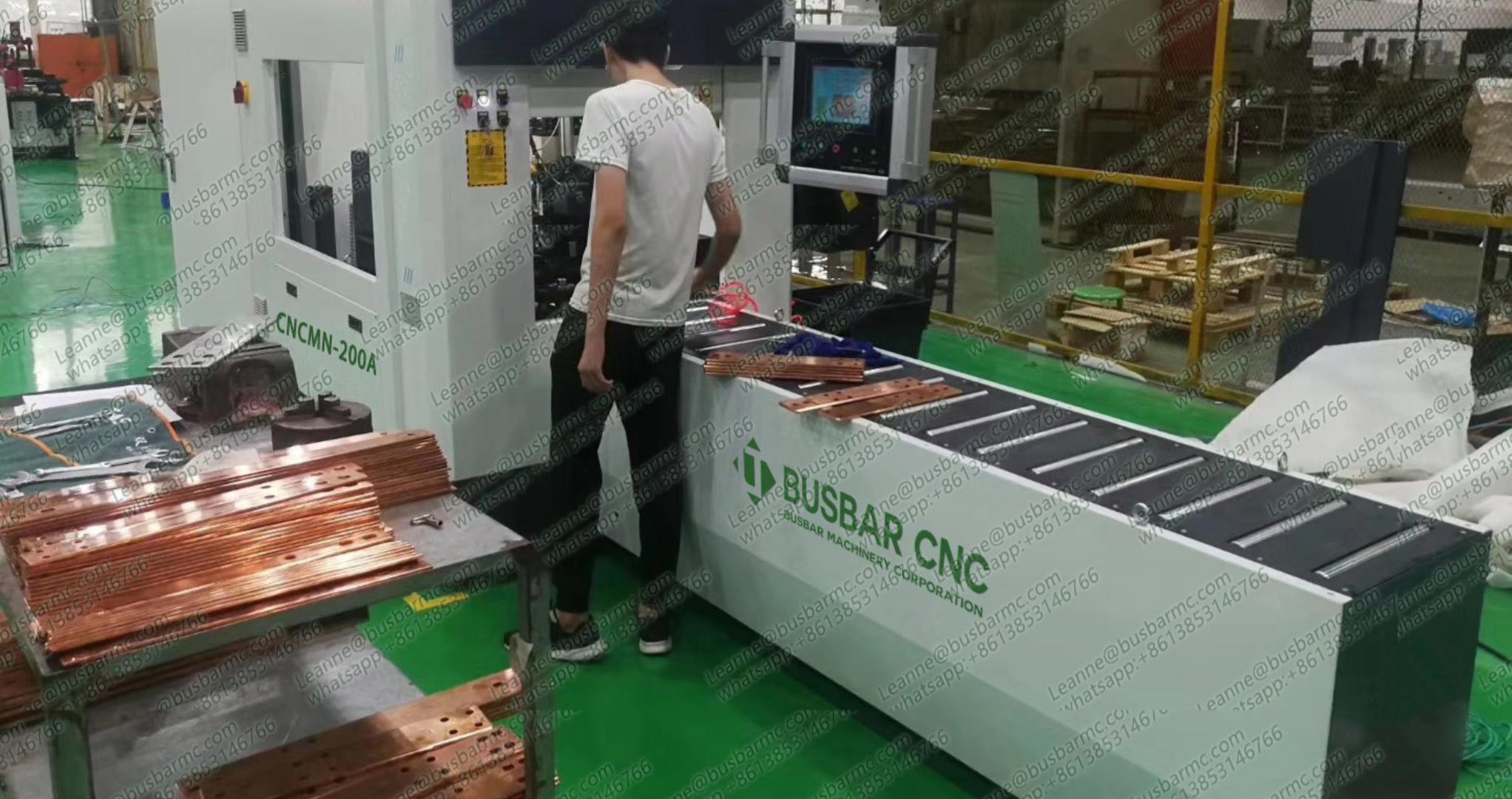
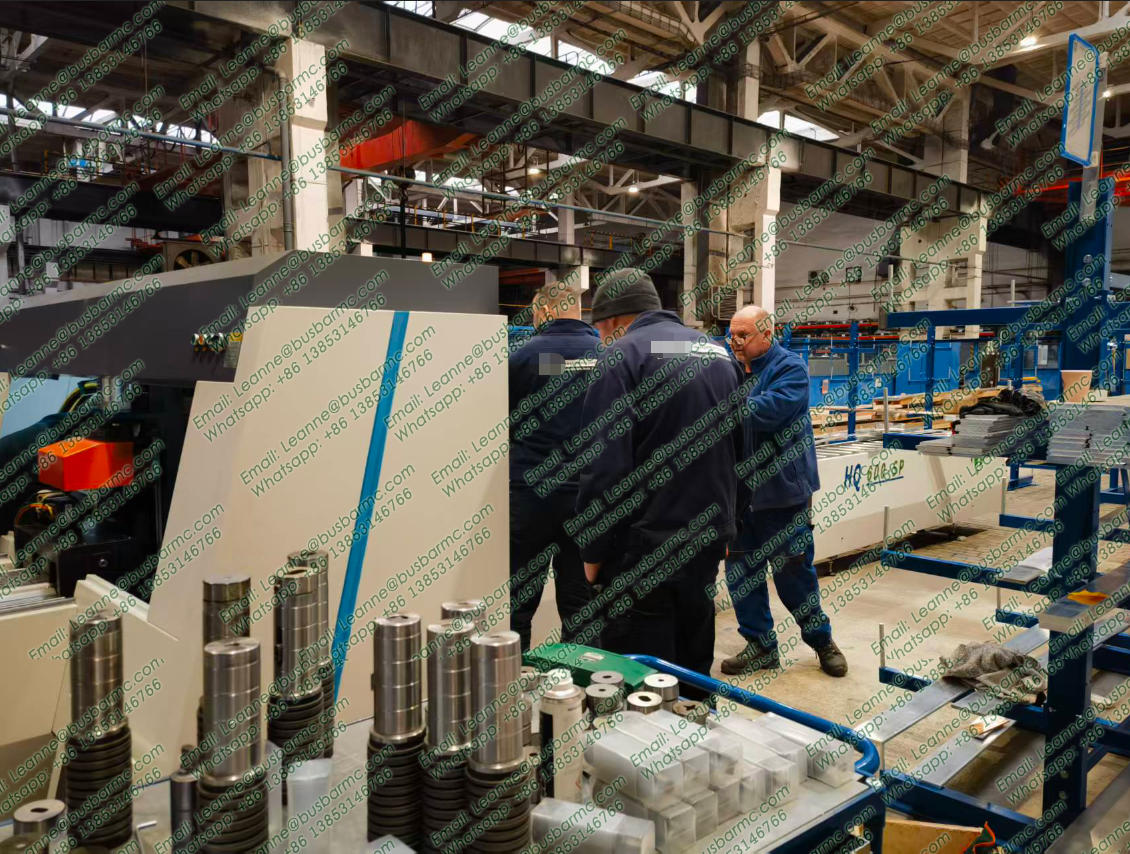
During daily shop operations, punching holes, shearing cutouts, or bending copper bars can accidentally deform the material. Electrical standards require the cross-sectional area ($A$) of a conductor to stay uniform throughout its length. When fabrication tools crush or pinch the bar, two main issues pop up:
A. Localized Hotspots from Resistance Spikes ($I^2R$)
The basic physics of electrical resistance ($R$) depends directly on the cross-sectional area ($A$):
When crude punching dies collapse the copper around a bolt hole or shear blades drag the edge down, the local area shrinks. That small pinch causes an immediate jump in localized resistance ($R$). Under continuous heavy electrical loads ($I$), that tiny spot generates excess heat ($Q = I^2 R$). Over time, these hotspots break down surrounding insulation and trigger severe thermal failures.
B. Micro-Burrs and Insulation Breakdown
Dull punching pins or improper blade gaps leave sharp copper burrs along the cut edge. In medium and high-voltage cabinets, these tiny metal points concentrate intense electric fields, which dramatically increases the risk of partial discharge (PD) or flashovers.
3. How CNC Busbar Machines Fix Fabrication Deficiencies
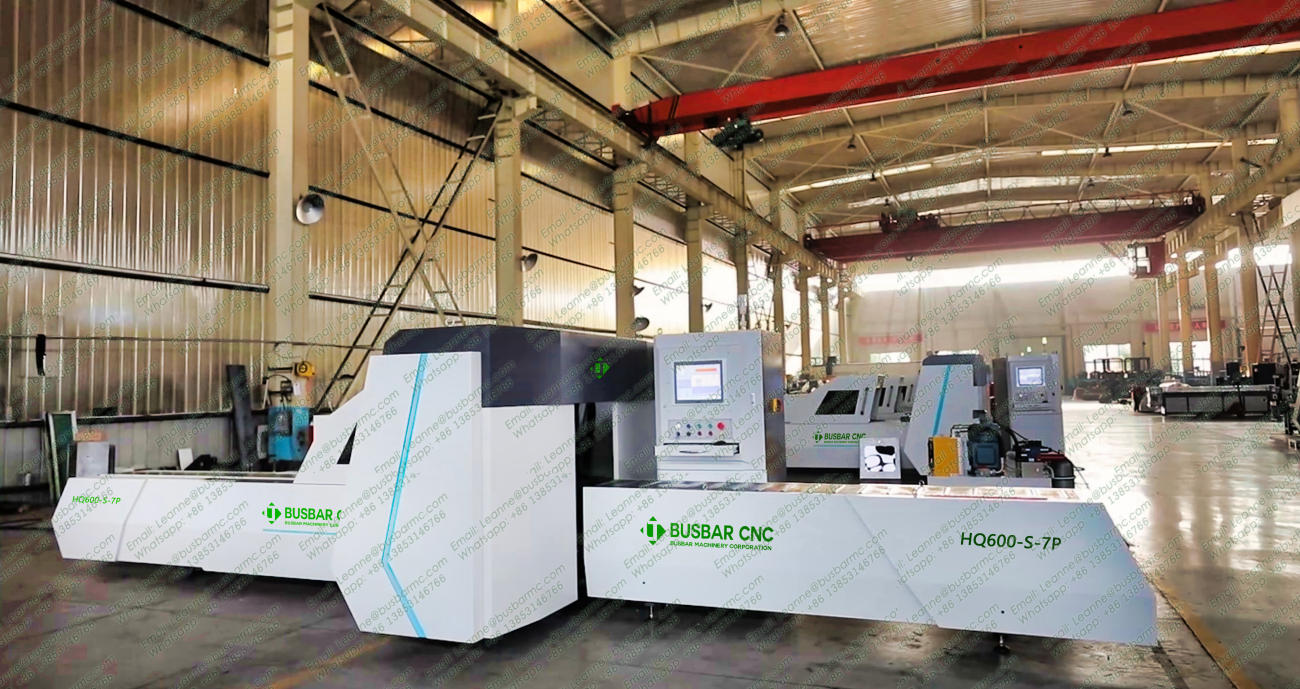
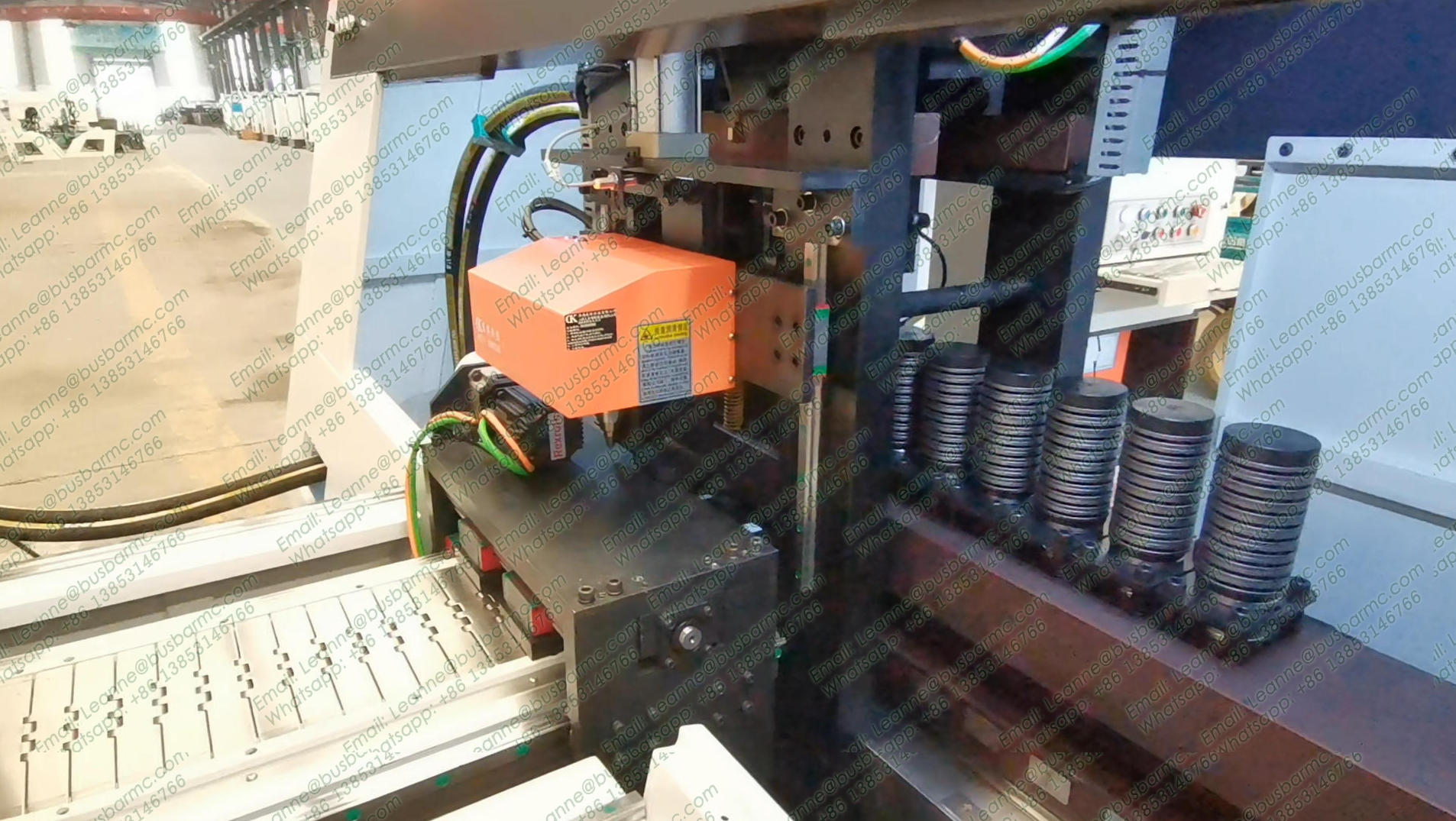
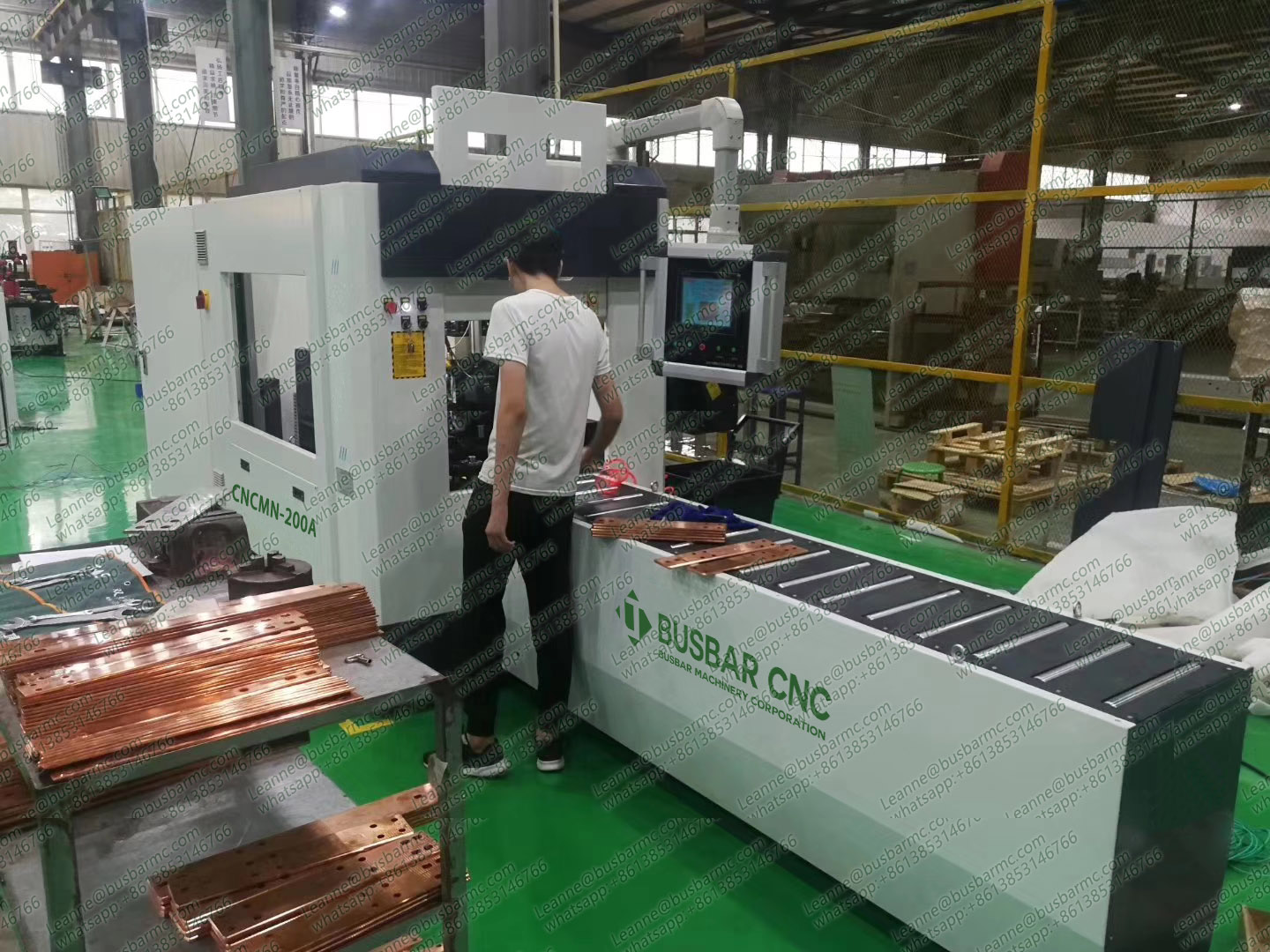
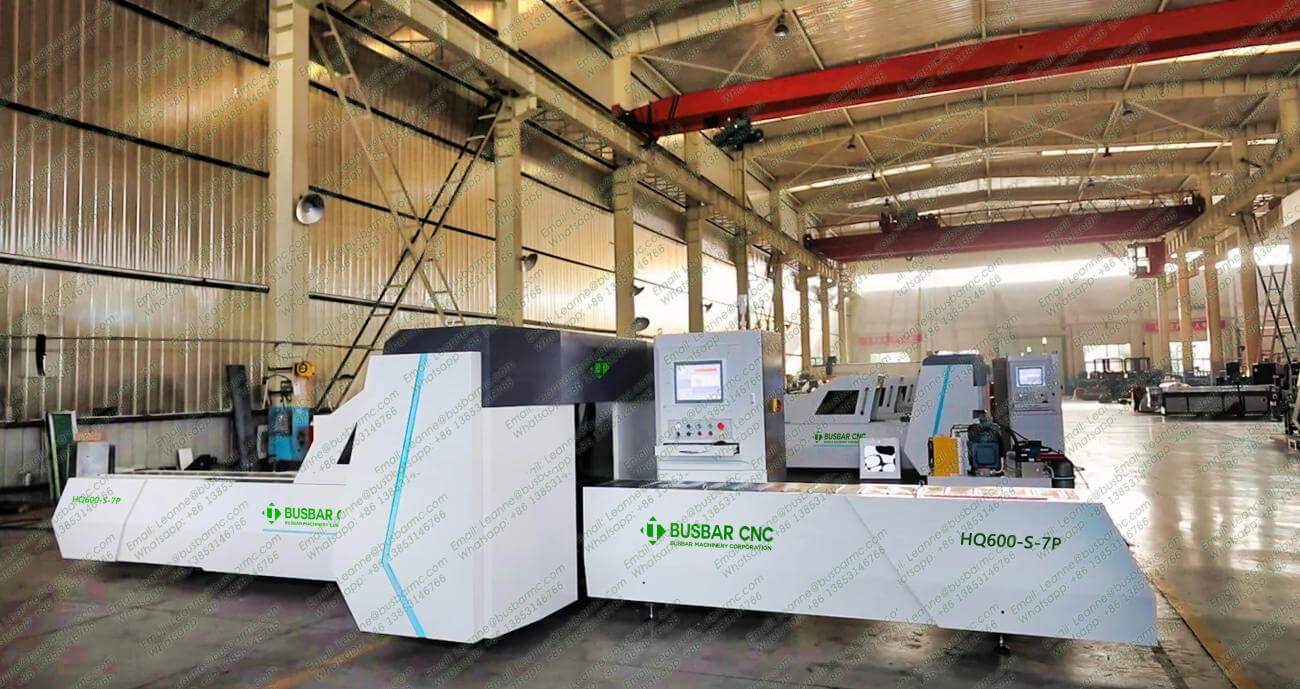
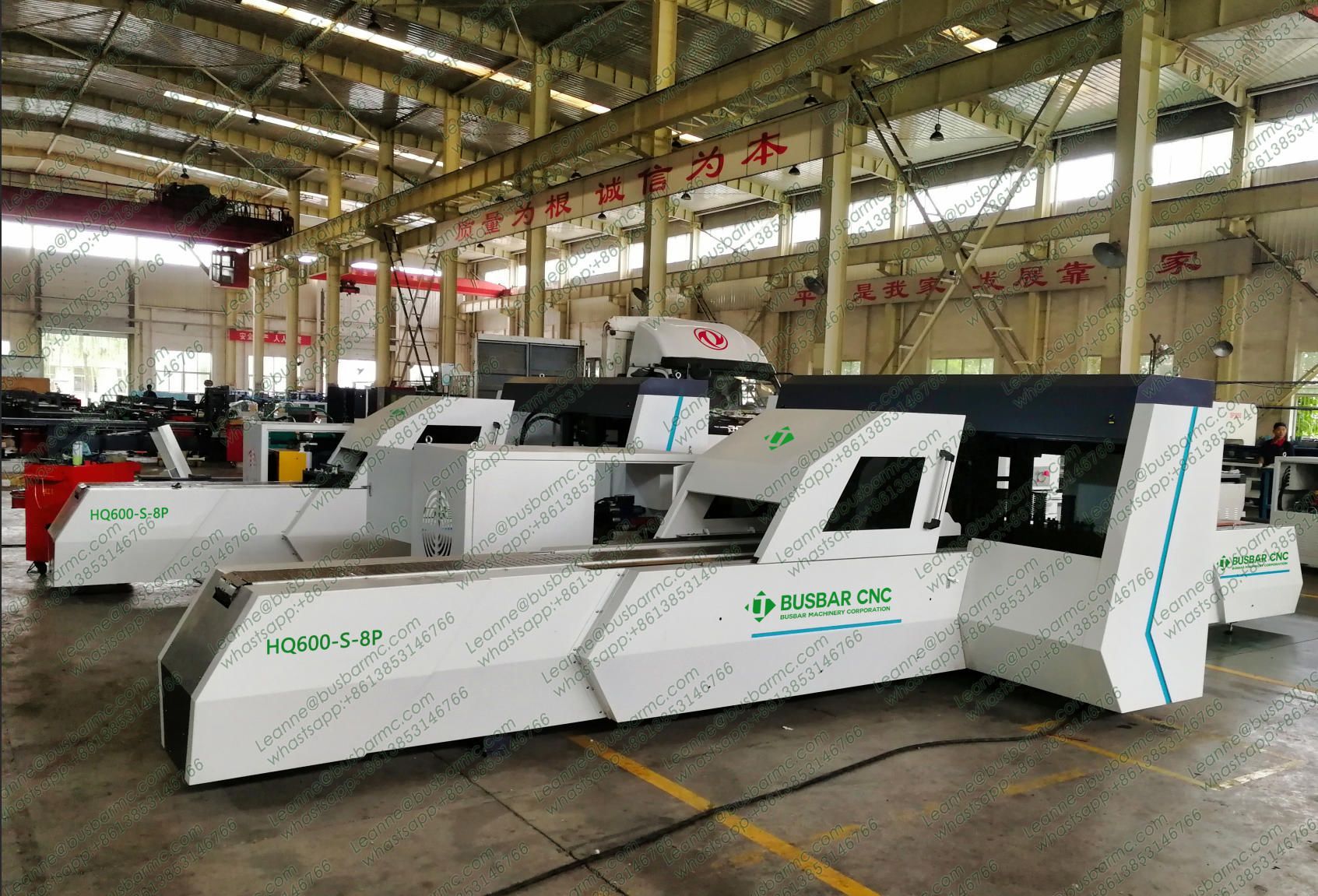
To avoid cross-sectional deformation and keep up with international standards like IEC 61439-1, panel shops rely on multi-functional CNC busbar machines for repeatable accuracy:
| Operation | Manual / Traditional Defect | CNC Machine Solution |
|---|---|---|
| Shearing | Beveled edges, dragged margins, pinched thickness | Angled Shear Units: Keeps cuts square and straight with zero cross-sectional loss. |
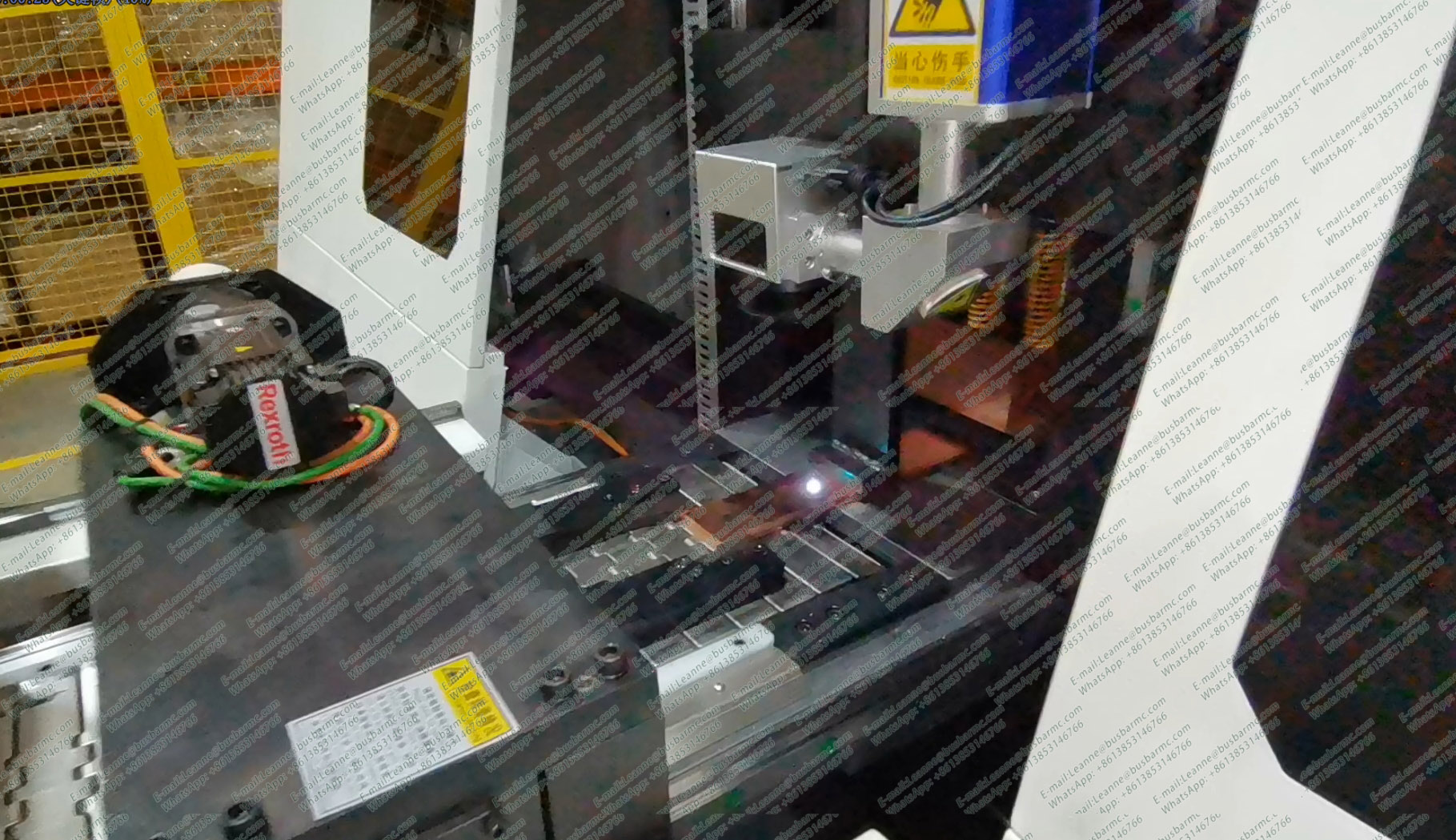
| Punching | Depressions around holes, heavy burrs | Servo CNC Turrets: Correct punch-to-die clearances ($5\%\text{--}10\%$) produce smooth hole walls. |
| Bending | Cracks on outer bend, unpredictable springback | Closed-Loop CNC Bending: Automatically compensates for springback to maintain true bend radii. |
Summary
For modern switchgear manufacturers, switching to an automated CNC Busbar Processing Machine isn't just about faster output—it directly protects electrical performance. By eliminating edge burrs and maintaining uniform copper cross-sections, precision machines prevent dangerous thermal hotspots and extend the working life of power distribution assemblies.
Looking to upgrade your busbar fabrication line? Talk with our engineering team today to review custom tooling and machine options.