English
 French

3-in-1 Busbar Machine vs. CNC Busbar Punching & Bending Line: Which Fits Your Factory Best?
Introduction
Choosing the right busbar fabrication machinery is one of the most critical capital investment decisions for switchgear, control panel, and power transformer manufacturers. As factories modernize, shop floor managers often face a fundamental dilemma: Should you invest in a compact, versatile 3-in-1 combined hydraulic busbar machine, or scale up to a fully automated CNC busbar punching, cutting, and bending production line?
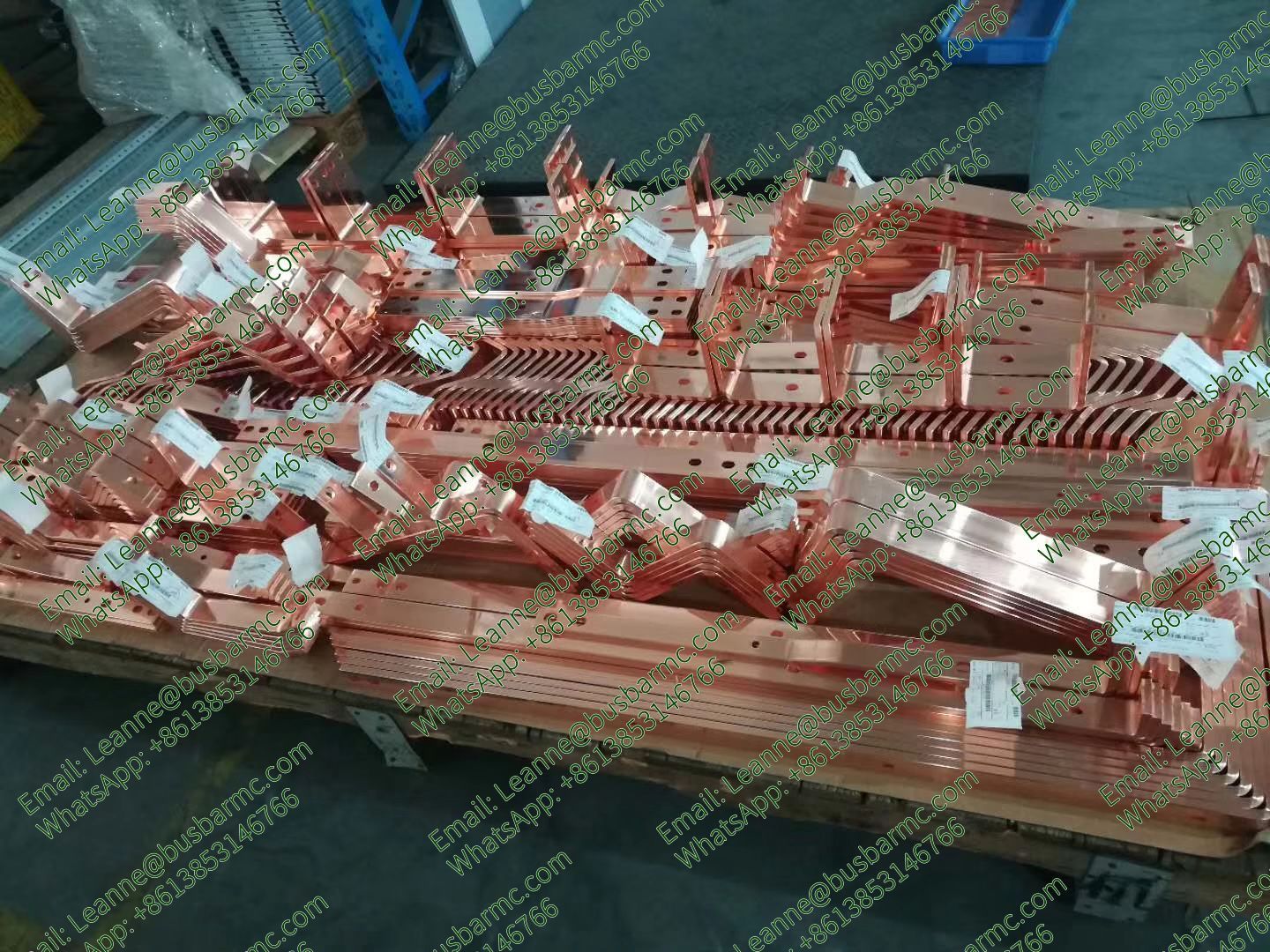
Both equipment types handle punching, cutting, and bending of copper and aluminum busbars, but their operational logic, throughput capacity, and return on investment (ROI) differ significantly.
Key Decision Matrix: Direct Comparison Table
For factory decision-makers evaluating equipment options for switchgear manufacturing, the structured comparison below outlines the operational and financial metrics of both machine types:
| Comparison Metric | 3-in-1 Combined Busbar Machine | CNC Busbar Processing Production Line |
|---|---|---|
| Floor Space Required | Compact (approx. 4 - 8 m²) | Large (approx. 15 - 35 m² with feeding conveyors) |
| Processing Efficiency | 10 - 20 bars/hour (Manual handling between stations) | 50 - 90+ bars/hour (Automated continuous processing) |
| Labor Requirement | 1 - 3 skilled operators (1 per station for simultaneous work) | 1 operator (System loading & monitoring only) |
| Machining Accuracy | ±0.5 mm / ±0.5° (Relies on manual positioning stops) | ±0.1 mm / ±0.2° (CNC servo clamp positioning) |
| Initial Capital Investment | $5,000 – $15,000 USD | $30,000 – $80,000+ USD |
| Ideal Factory Application | Custom panel builders, repair shops, low-batch OEM | High-volume transformer & switchgear production lines |
Deep-Dive Analysis: Which Machine Fits Your Production Goals?
1. 3-in-1 Combined Busbar Machine: Maximum Flexibility on a Budget
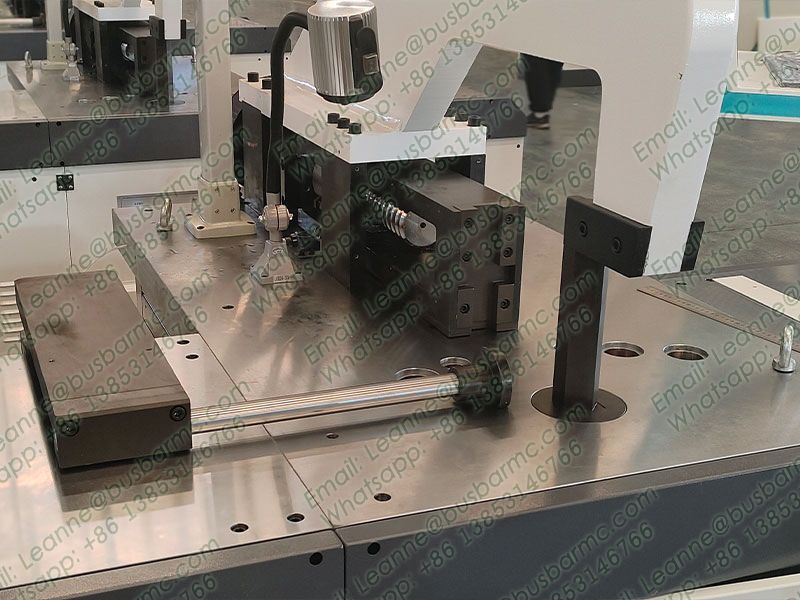
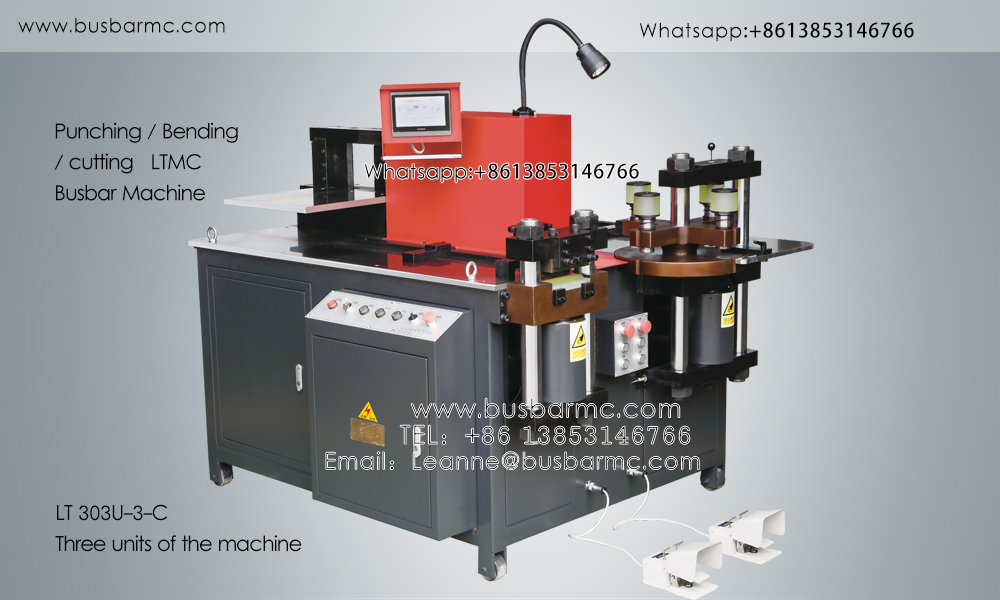
A standard 3-in-1 machine integrates three independent hydraulic working stations—Punching, Cutting, and Bending—driven by a single or double hydraulic power pack.
Key Advantage: Low entry cost and minimal floor space. It allows three operators to work simultaneously on different stations without interfering with each other.
The Trade-off: Material transfer between stations is entirely manual. Human error during manual positioning can lead to higher scrap rates during complex multi-hole or multi-bend sequences.
2. Automatic CNC Busbar Production Line: Scalability and Speed
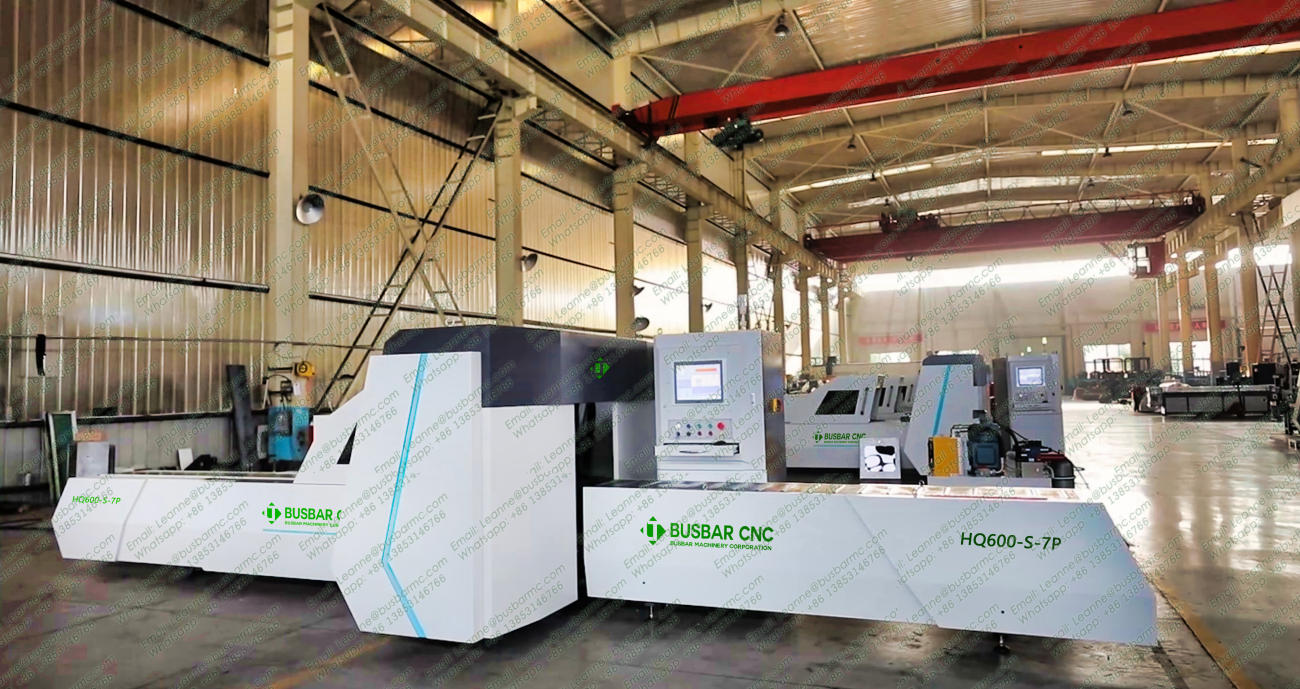
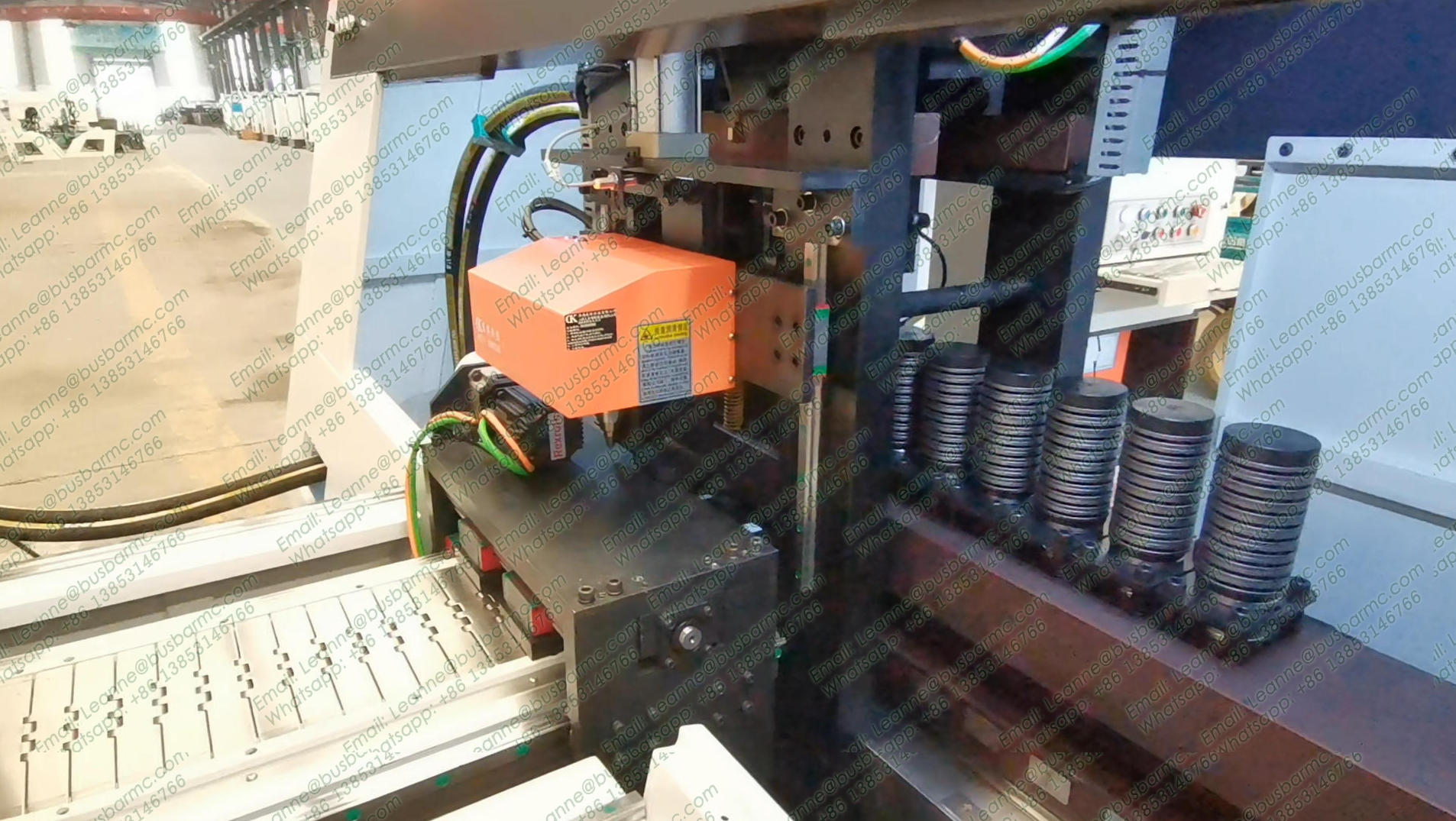
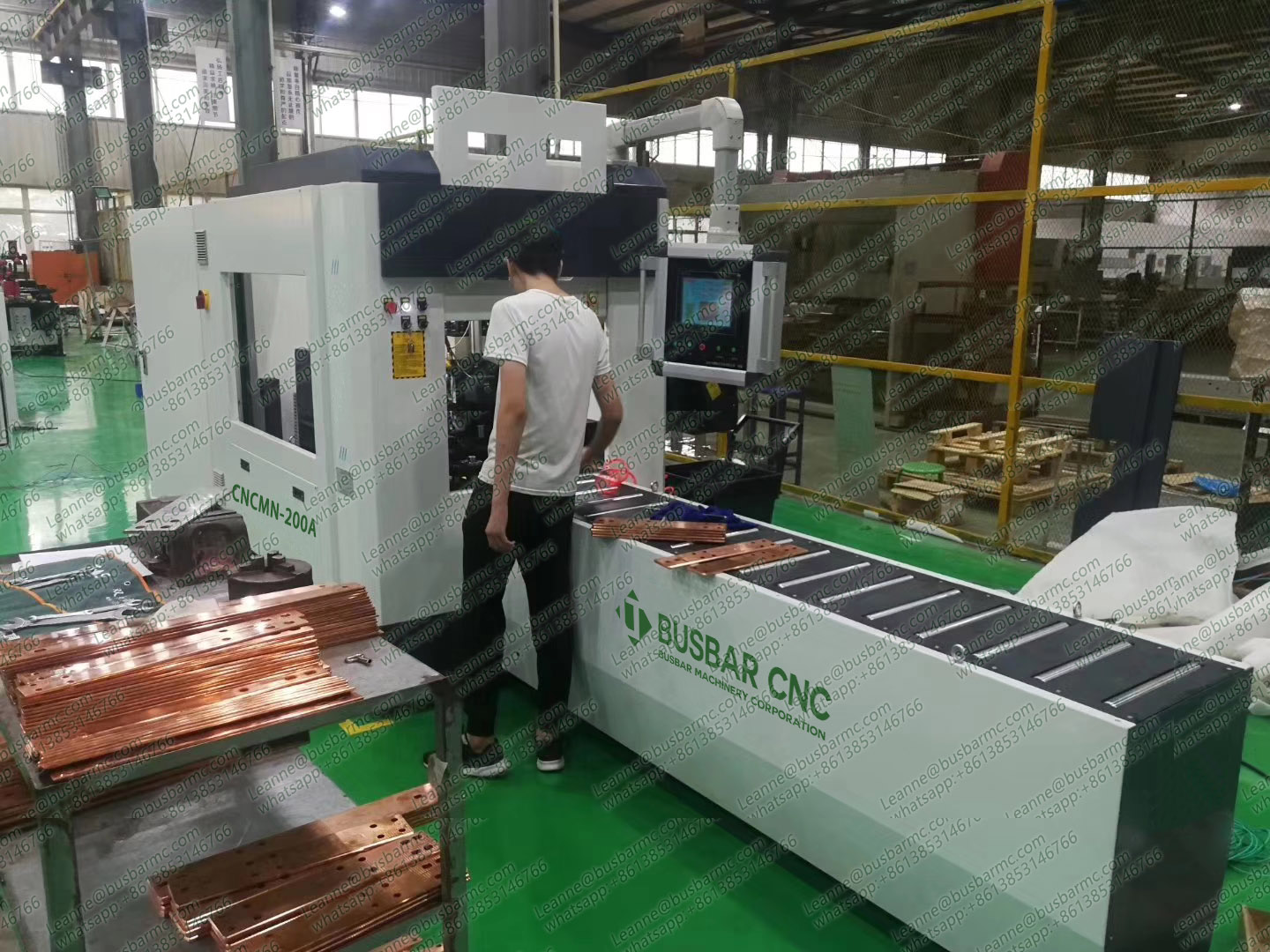
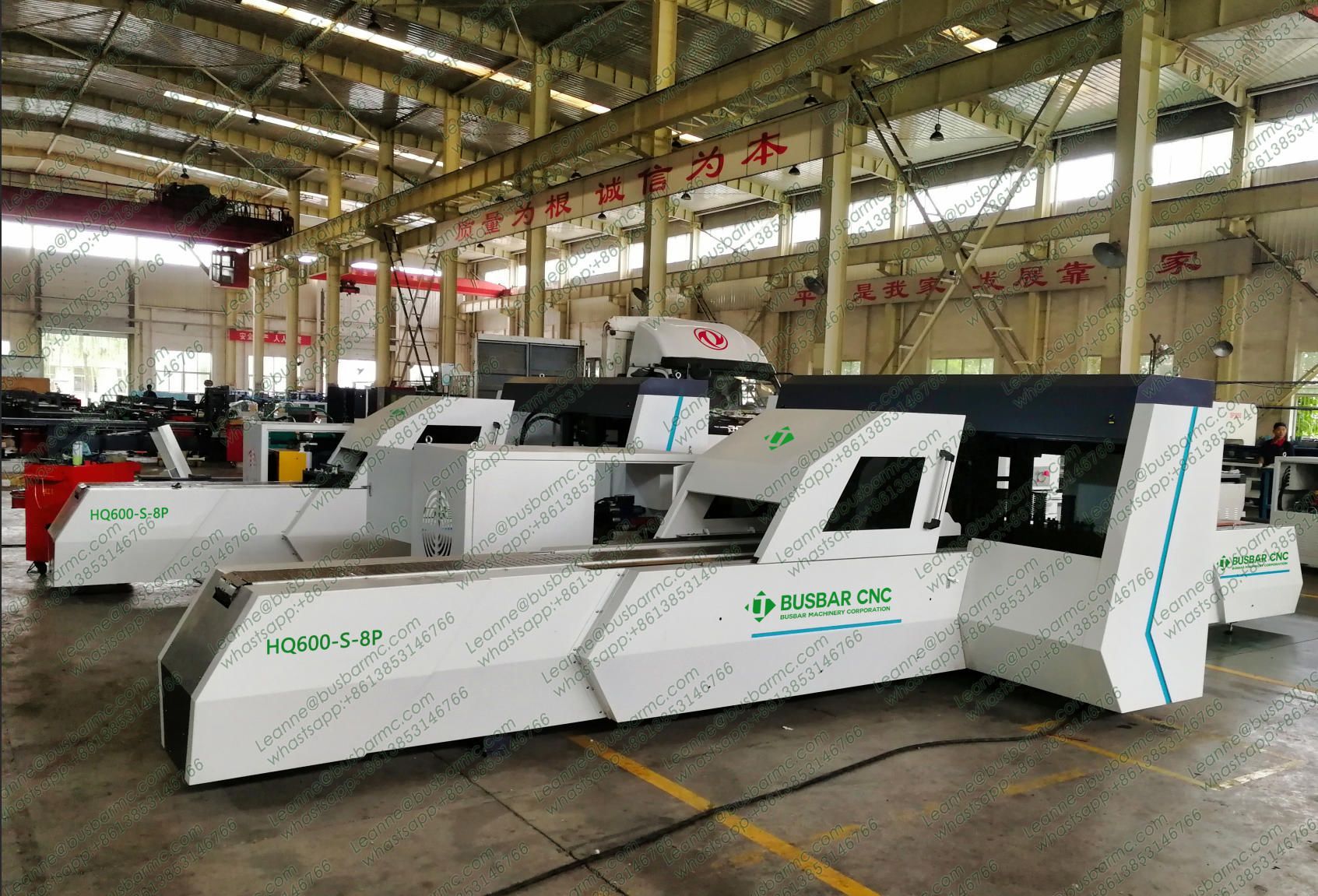
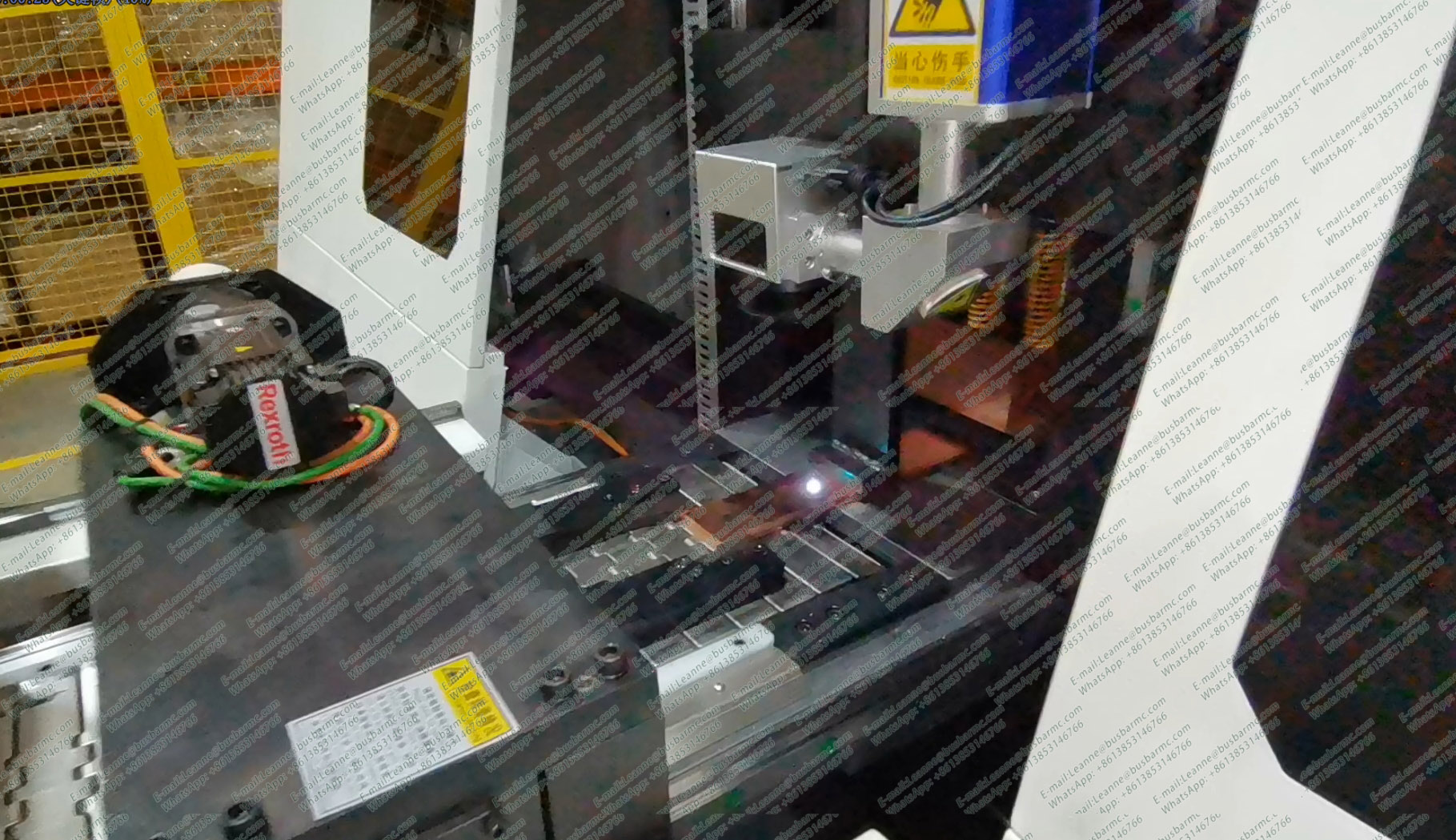
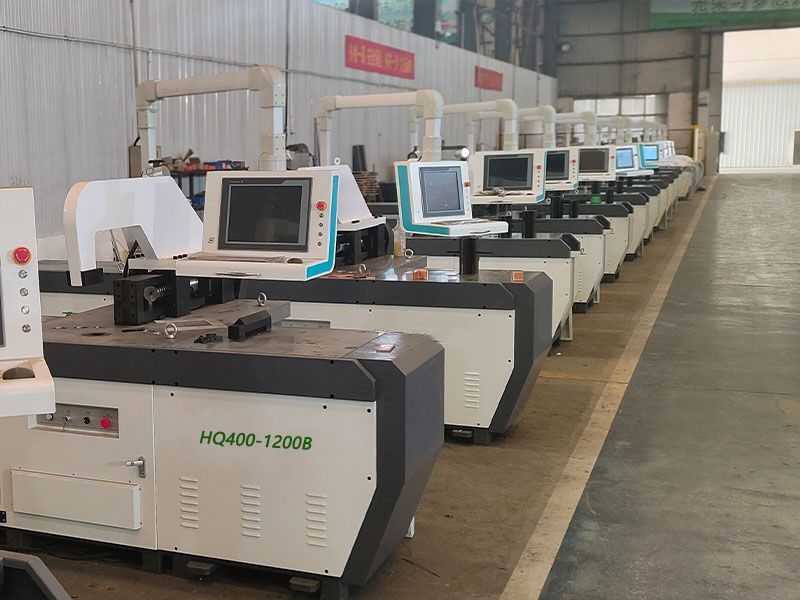
A CNC busbar line automates the entire workflow from raw copper bar loading to finished part ejection. Controlled by advanced CAD/CAM software, the system automatically selects punching dies, executes precision shearing, and transfers the workpiece to the CNC bending station via servo-driven grippers.
Key Advantage: Unmatched productivity and material utilization. Software algorithms optimize nesting layouts to minimize copper offcut waste by up to 15%. Operators simply import 3D CAD drawings (DXF/DWG files), eliminating manual measurements.
The Trade-off: Higher initial investment and larger footprint requirements. It demands routine maintenance by trained technician staff.
ROI Calculation: How to Determine Your Payback Period
To evaluate which machine fits your factory best, calculate your annual labor savings and output requirements:
If your factory produces more than 250 high-voltage switchgear cabinets per year, the labor savings and scrap reduction from a CNC busbar production line typically offset the initial cost difference within 12 to 18 months.
Conclusion & Recommendation
If you run a small-to-medium electrical panel workshop with varied, low-volume custom orders, a 3-in-1 Combined Busbar Machine offers the highest cost-to-performance ratio. However, if your target is mass-producing standardized power distribution gear, scaling throughput, and reducing dependency on skilled labor, investing in a CNC Busbar Processing Production Line is the definitive step toward modern smart manufacturing.
Looking for tailored guidance on configuring busbar punching, shearing, and bending machinery for your switchgear factory? Contact our industrial engineering experts today for a free layout consultation and output analysis.