English
 French

This technical note explains why CNC busbar processing changes the electrical performance of the joint, not just the appearance of the bar.
This technical note explains why CNC busbar processing changes the electrical performance of the joint, not just the appearance of the bar. Traditional manual punching and bending introduce inconsistency that shows up as “hot spots” in service, because misaligned bolt holes reduce contact area and raise voltage drop. CNC processing addresses this directly: bolt holes are aligned to maximise contact surface, exact angles are held while preserving the structural integrity of the metal for the sandwiched and flared configurations used at busway connection points, and edges are produced burr-free to reduce the risk of arcing and insulation damage. It matters to UK busway and switchgear manufacturers because it is the mechanism by which a long-run system is built from identical, interchangeable segments.
Test conditions: Low and medium voltage busduct and switchgear production, where connection points are required to meet recognised international standards including IEC 60364.
Measured values: 3 documented CNC effects on joint quality: bolt holes aligned to maximise contact surface area and minimise voltage drop; exact angles held while maintaining the structural integrity of the metal for sandwiched and flared connection configurations; burr-free edges reducing the arcing and insulation damage risk. CNC production also supports offsets and bends for tight industrial spaces, identical segments across a long busway run, and reduced waste of high-purity copper through optimised nesting.
Benchmark: Manual busbar processing against CNC: the manual route produces variation between nominally identical bars, and that variation is what creates the joint hot spots the article describes. CNC removes the variation at the source rather than inspecting for it afterwards.
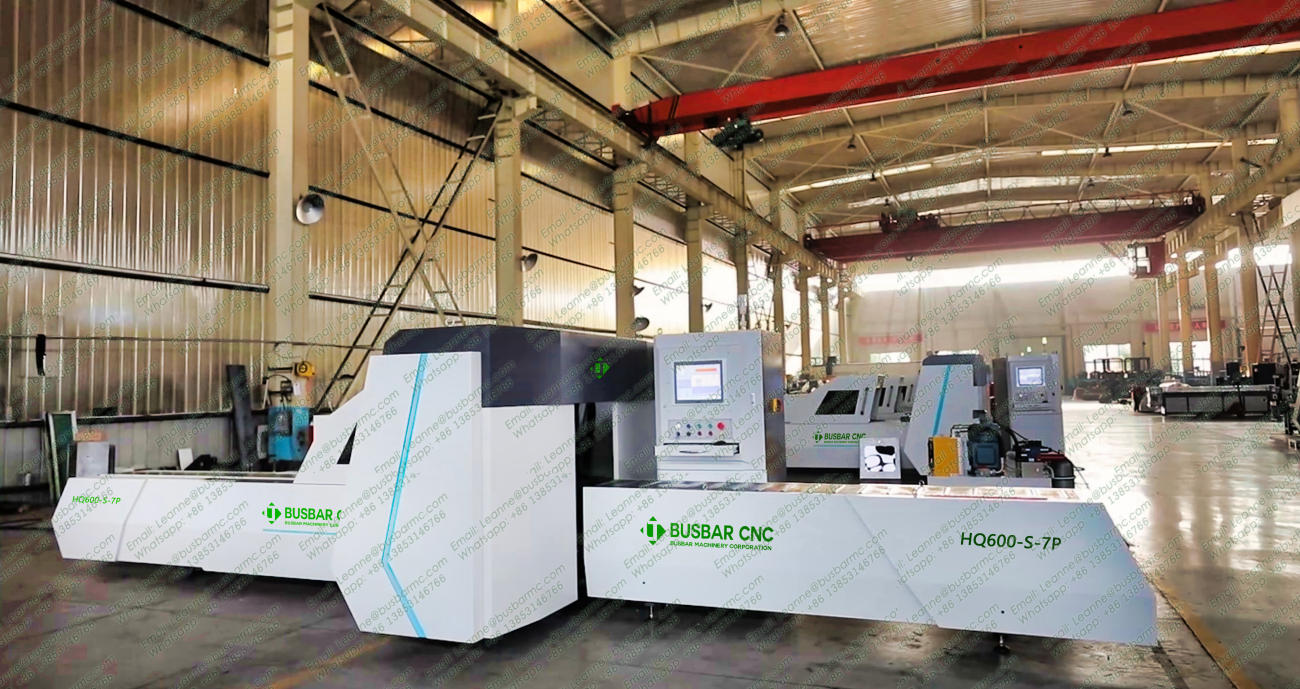
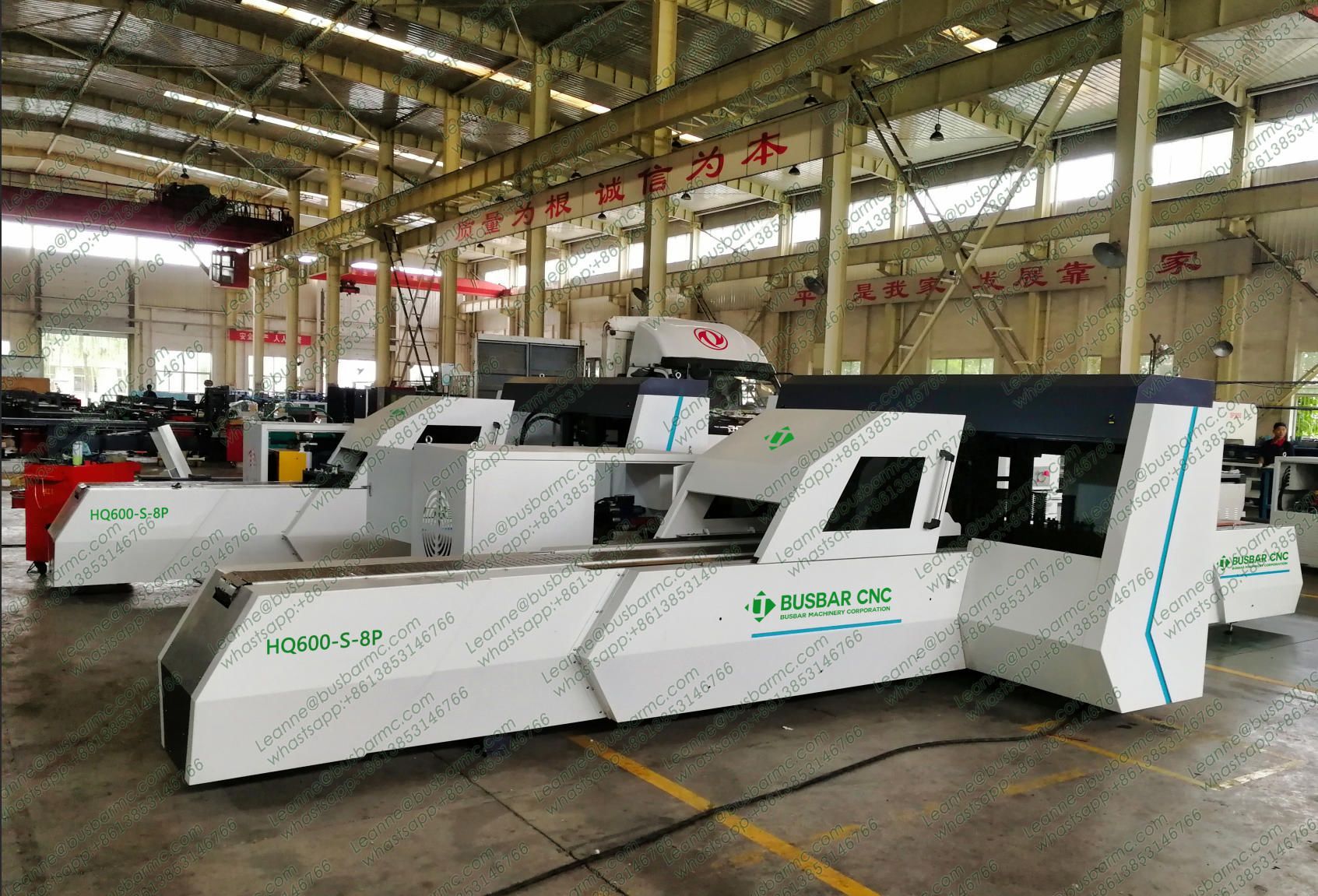
\n In the landscape of modern industrial electrical engineering, the efficiency and safety of power distribution systems—such as busway (bus duct) systems and switchgear—are heavily dependent on the precision of busbar manufacturing. This article explores the application of CNC (Computer Numerical Control) busbar processing machinery in the fabrication of high-conductivity copper and aluminum conductors, highlighting its impact on reducing electrical resistance and enhancing system reliability. \n
\n
\n 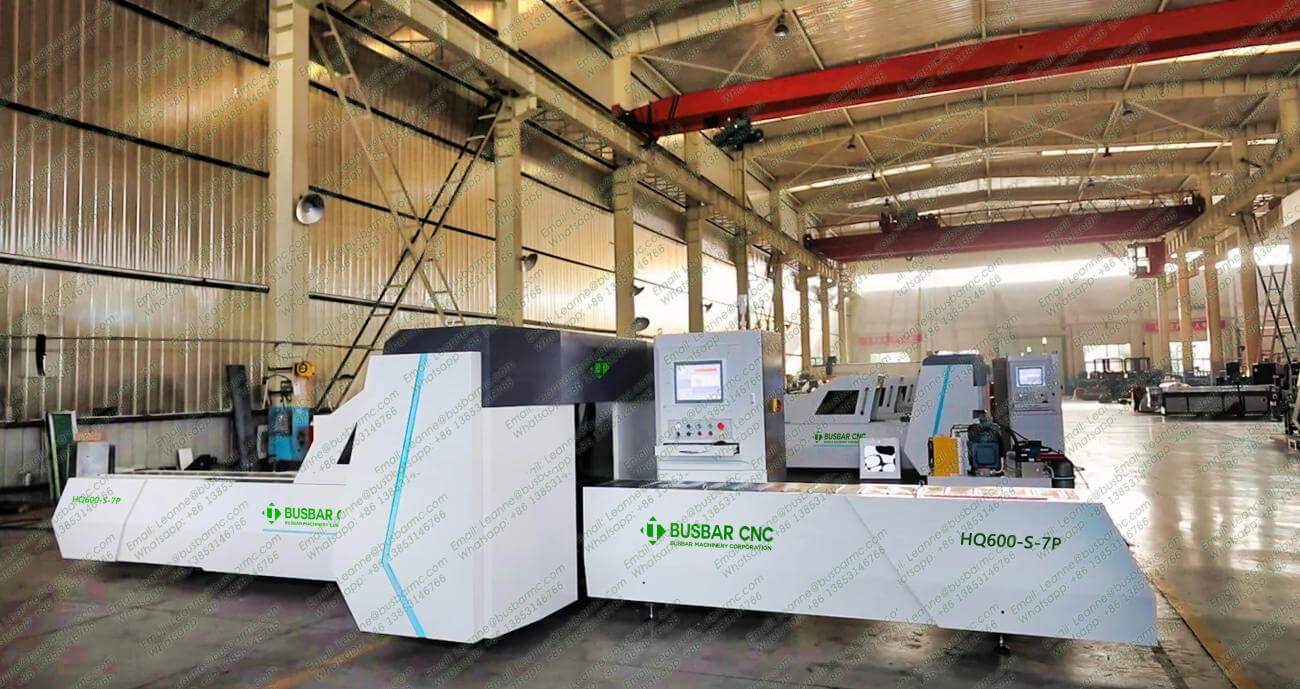 \n
\n
\n 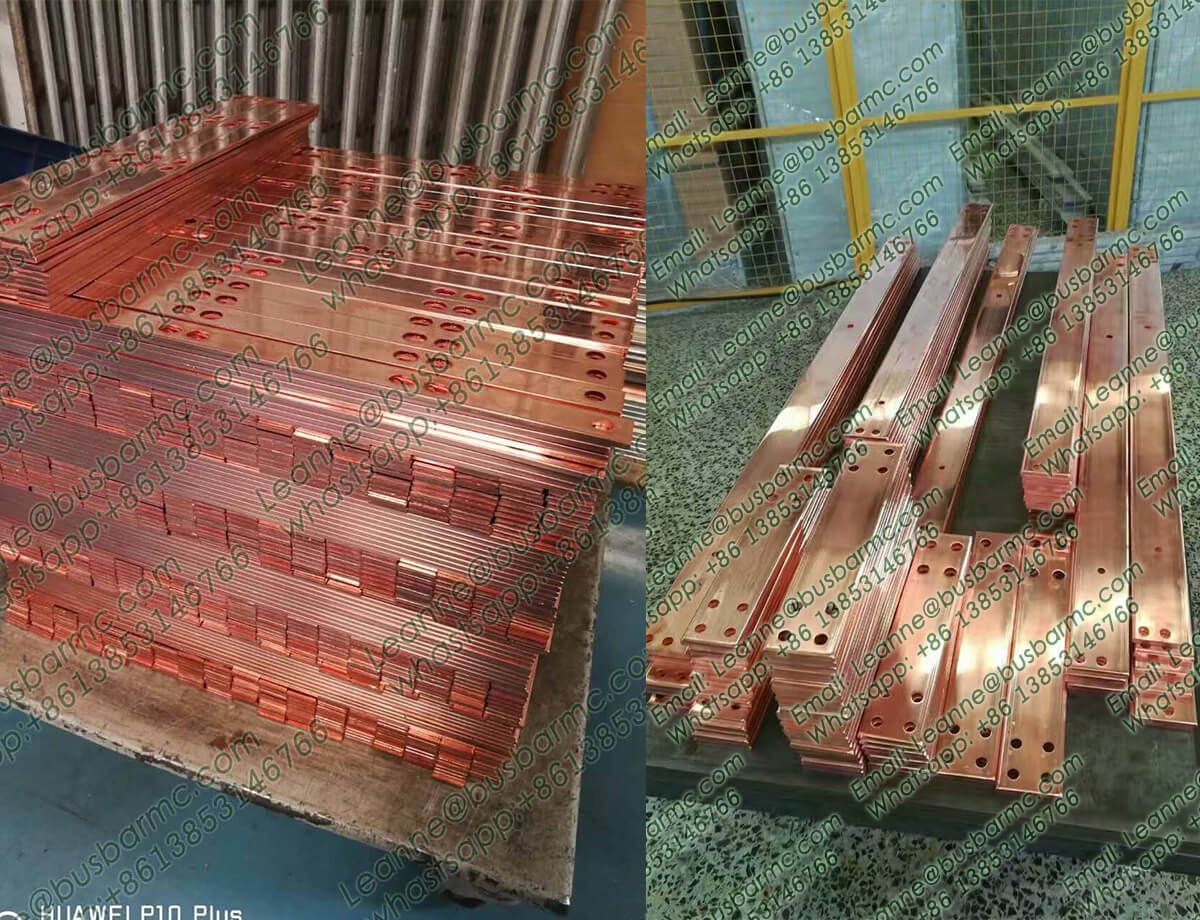 \n
\n
\n As global energy demands increase, industrial facilities require more robust and efficient secondary networks for power distribution. Bus duct systems have largely replaced traditional heavy cabling due to their compact design and superior heat dissipation. However, the performance of these systems is only as good as the physical integrity of the busbars within them. \n
\n
\n
\n
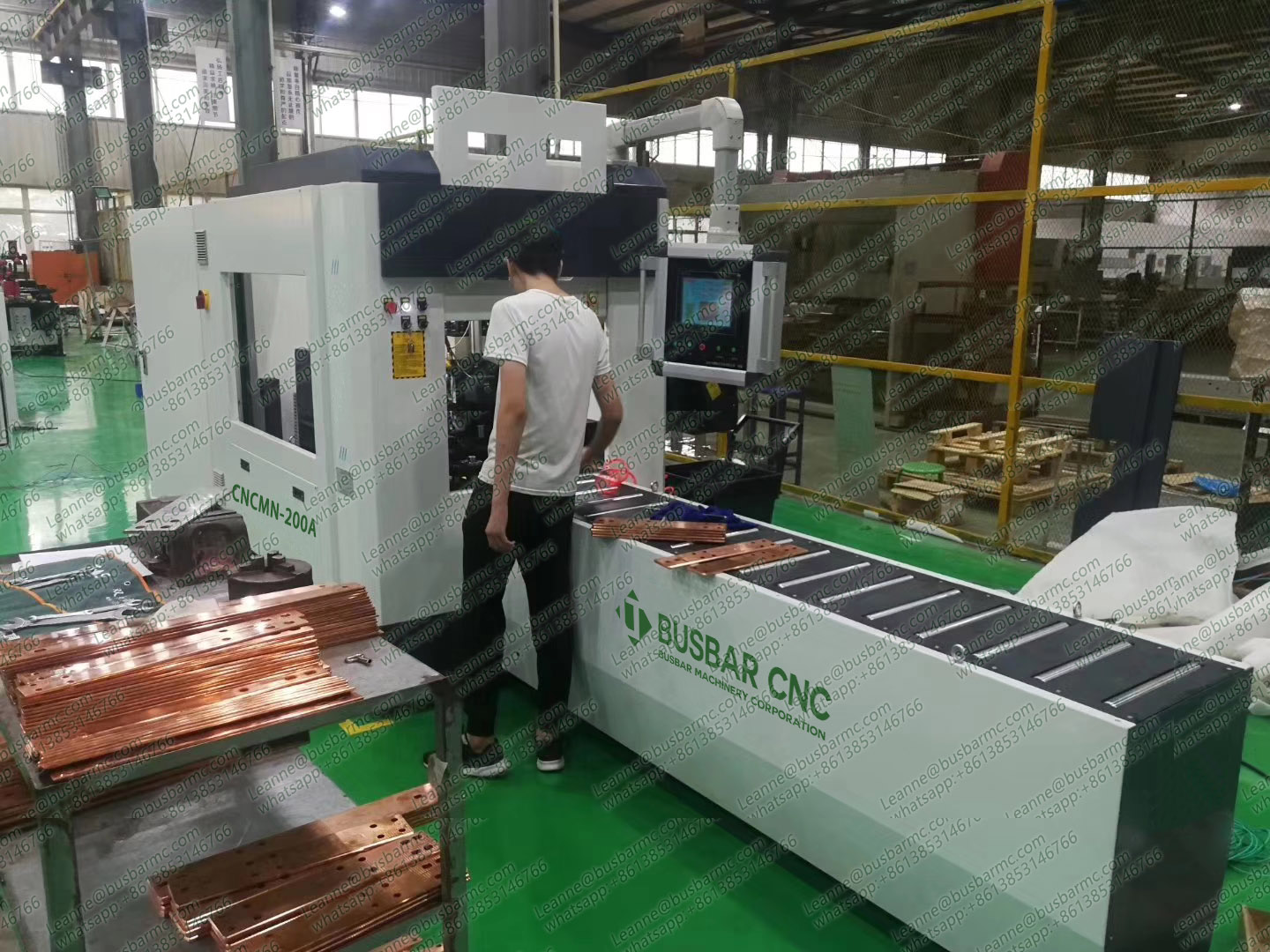
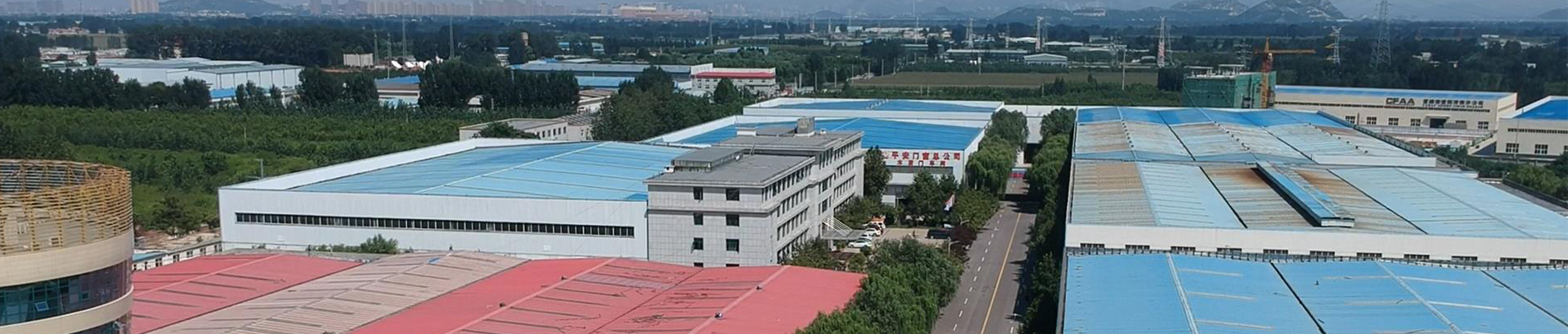
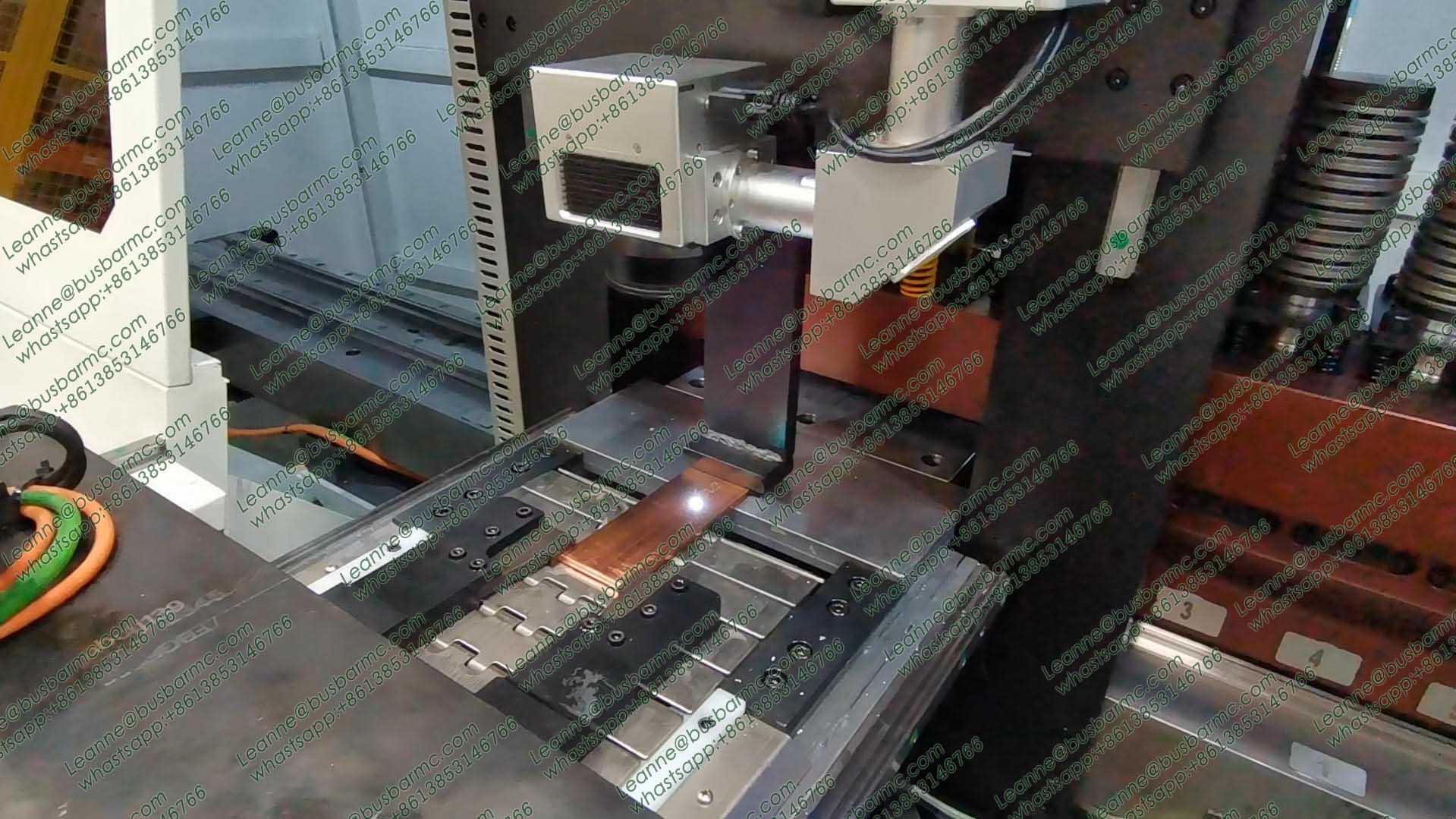
\n Traditional manual busbar processing often leads to inconsistencies in punching and bending, which can cause "hot spots" in electrical joints. Modern CNC busbar processing machines have revolutionized this field through: \n
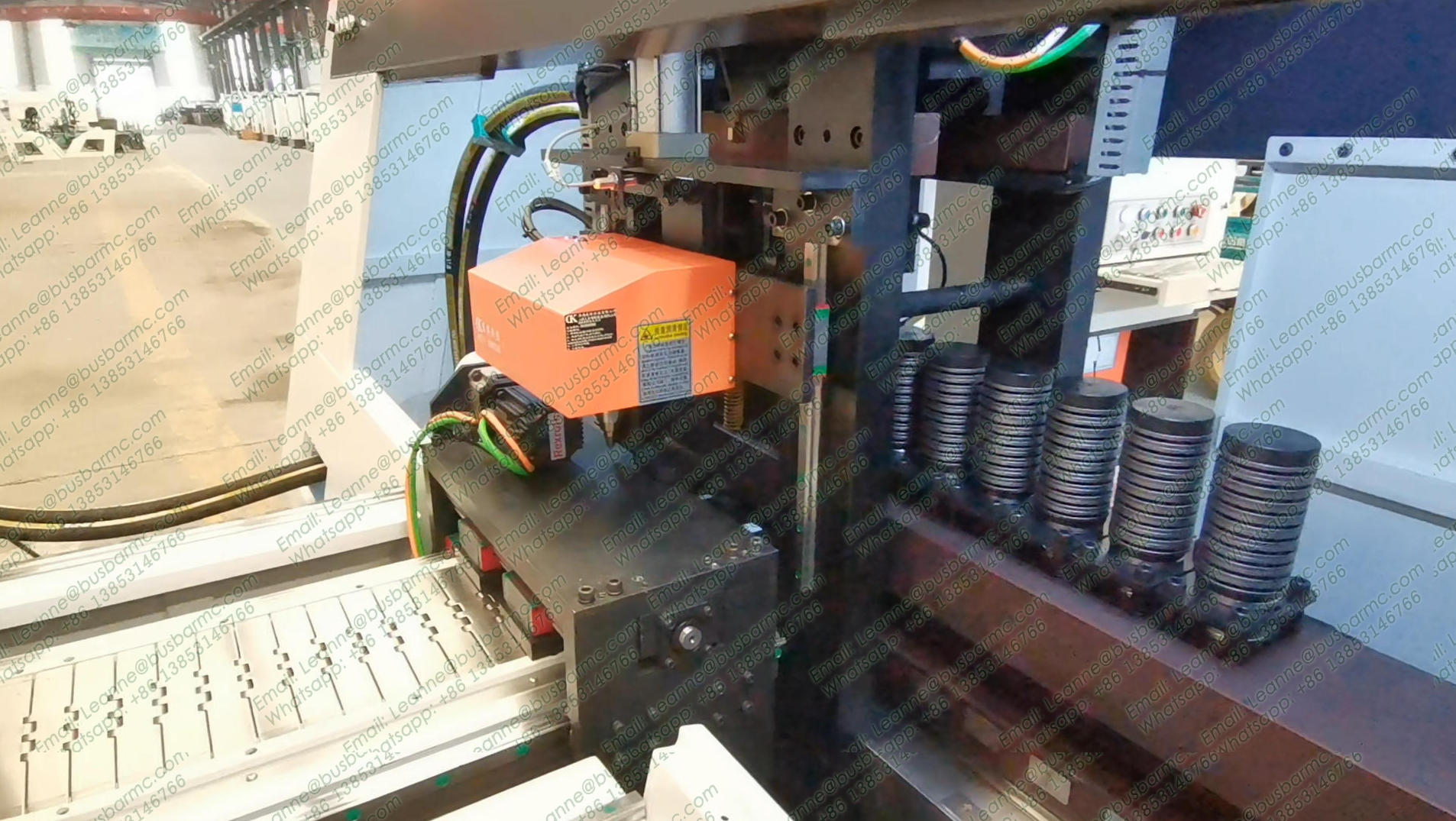
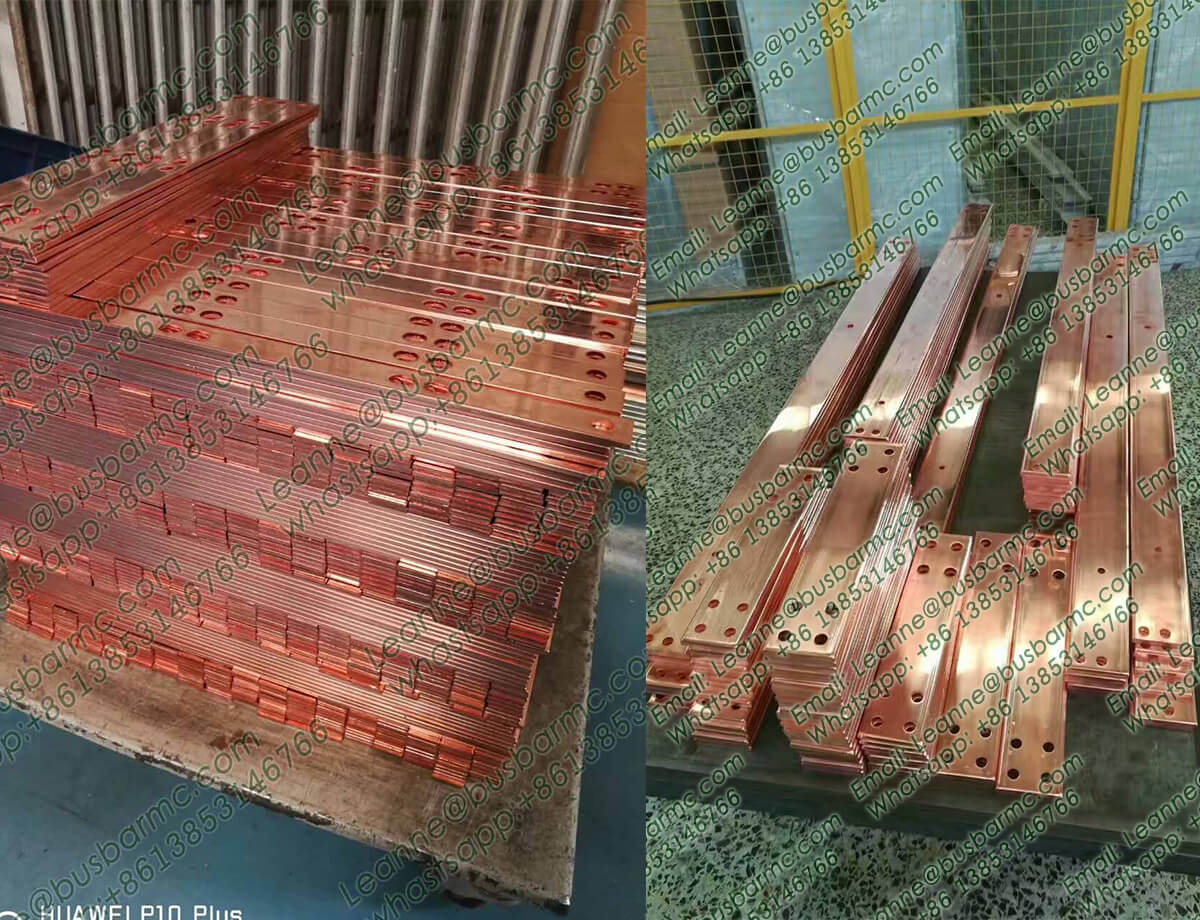
\n\n Precision Punching: Ensuring that bolt holes for connections are perfectly aligned to maximize contact surface area, thereby minimizing voltage drop. \n
\n\n Accurate Cold Bending: Maintaining the structural integrity of the metal while achieving exact angles, which is essential for the "sandwiched" or "flared" configurations found at connection points in busway segments. \n
\n\n High-Efficiency Cutting: Providing burr-free edges that reduce the risk of electrical arcing and insulation damage. \n
\n
\n
\n
\n 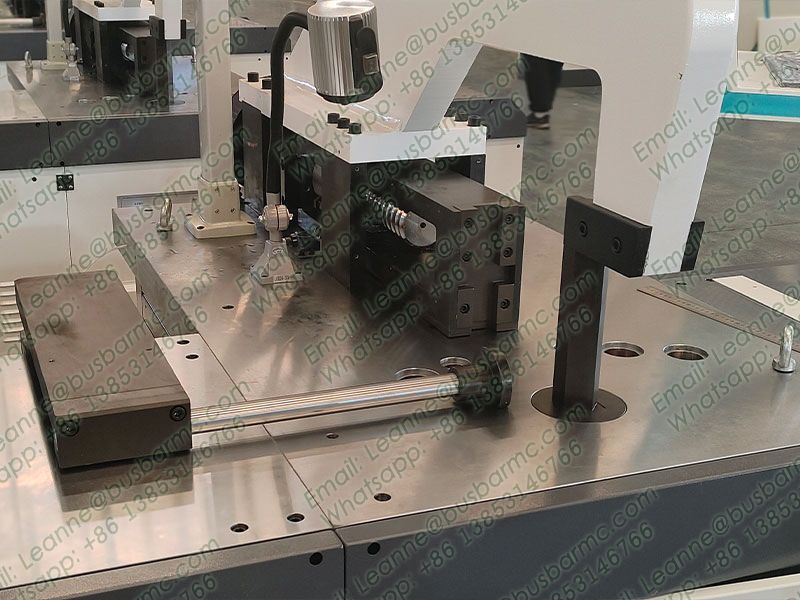 \n
\n
\n 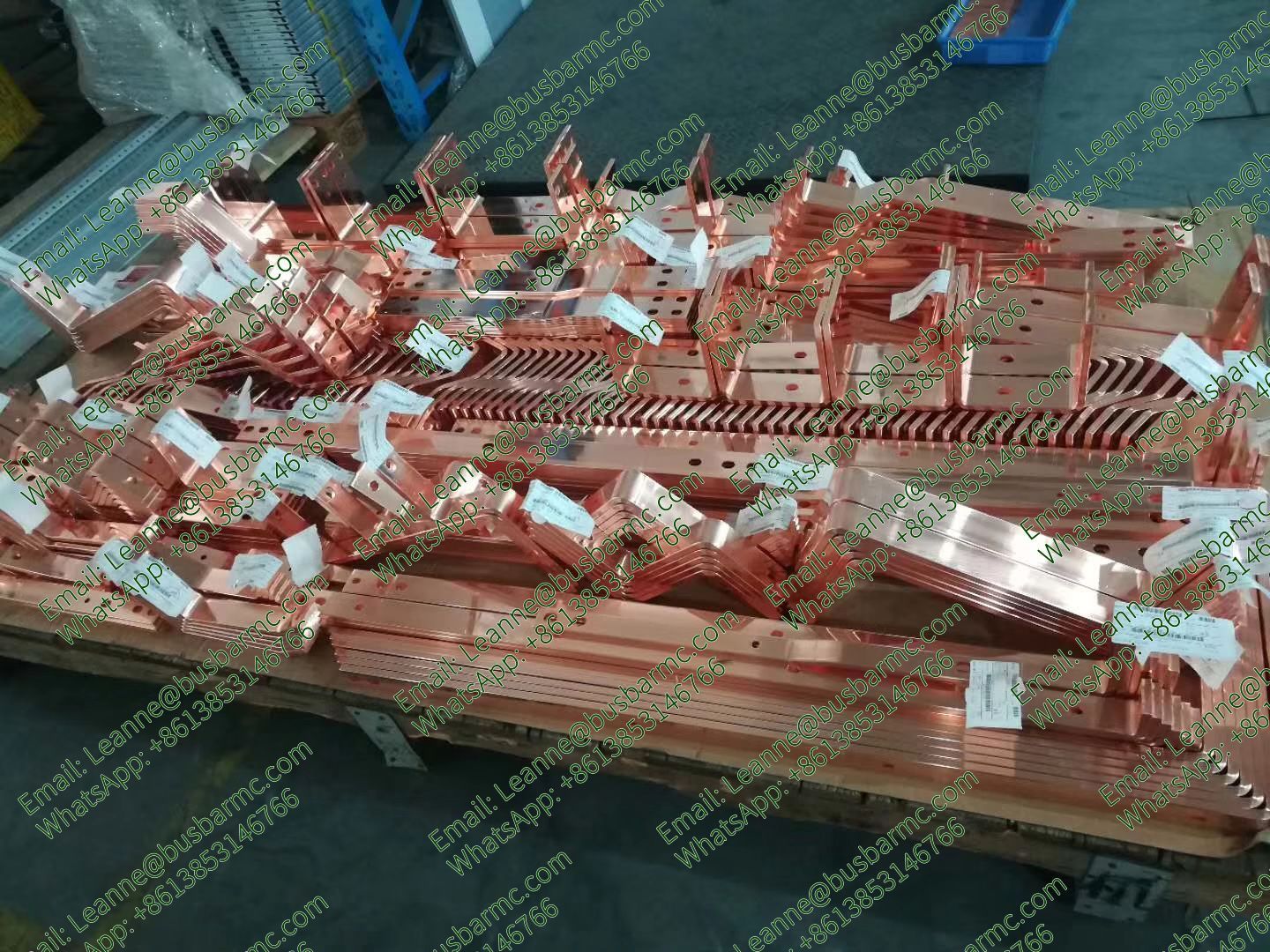 \n
\n
\n In the production of low-voltage and medium-voltage bus ducts, CNC technology allows for: \n
\n\n Complex Configurations: Seamlessly creating offsets and bends required for navigating tight industrial spaces. \n
\n\n Consistency in Mass Production: Ensuring that every segment of a long-run busway system is identical, facilitating easy installation and maintenance. \n
\n\n Material Optimization: Reducing waste of high-cost materials like high-purity copper through optimized nesting software. \n
\n
\n
\n
\n 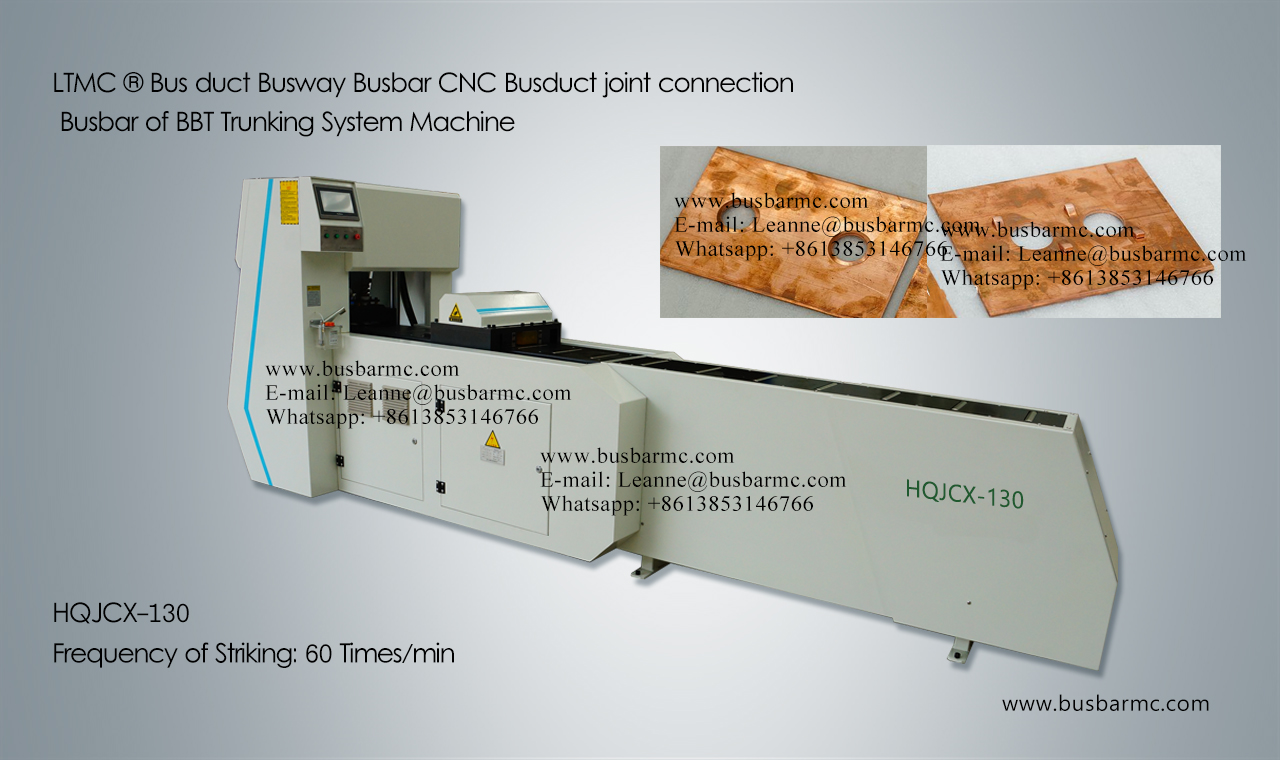 \n
\n
\n 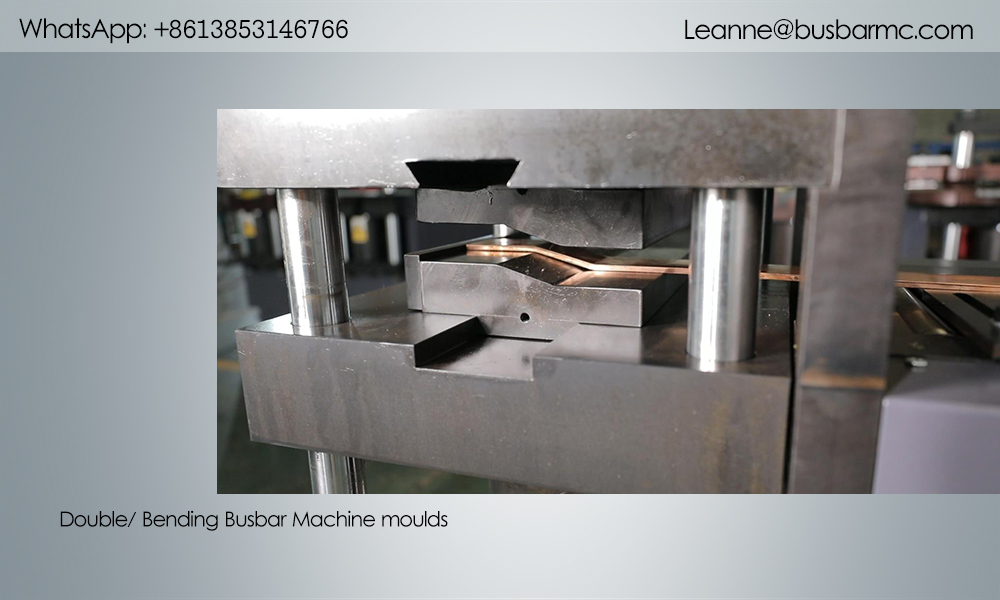 \n
\n
\n
\n
\n 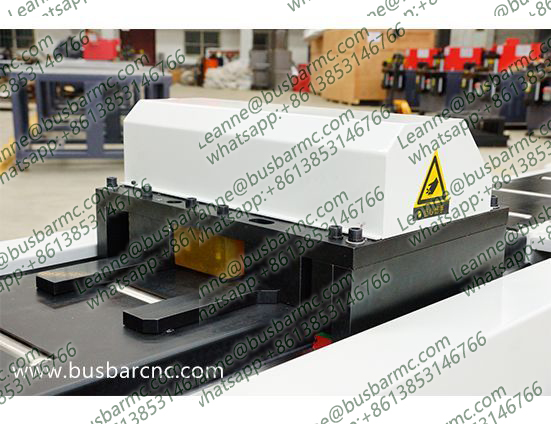 \n
\n
\n 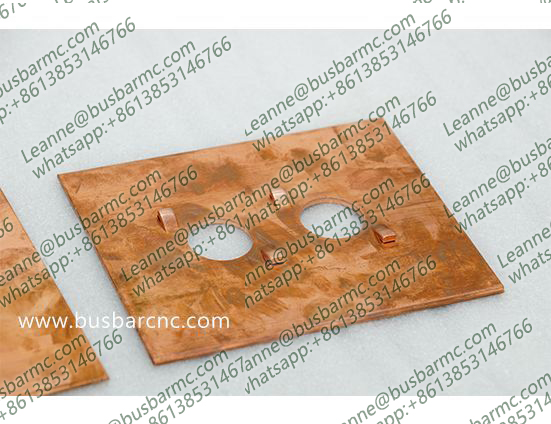 \n
\n
\n The use of specialized busbar machinery ensures that every connection point meets stringent international standards (such as IEC 60364). By eliminating manual errors, manufacturers can guarantee that the power distribution system will operate without overheating or mechanical failure for decades. \n
\n
\n 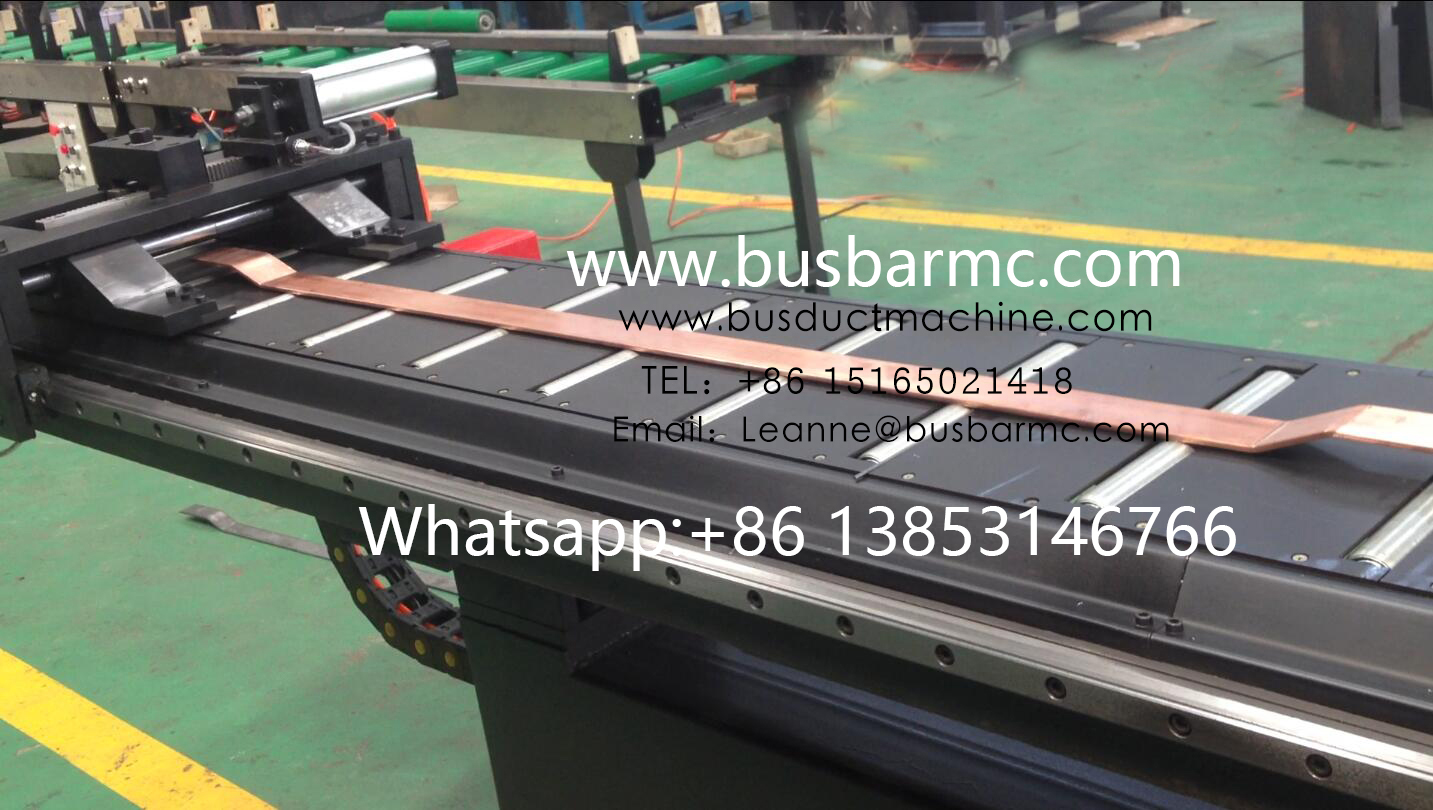 \n
\n
\n
\n
\n The integration of CNC busbar machine processing is no longer a luxury but a necessity for manufacturers aiming to compete in the global market. As smart grids and IoT-enabled power systems become the norm, the demand for precision-engineered busbars will continue to grow, making advanced processing machinery the cornerstone of modern electrical infrastructure. \n
\n
\n 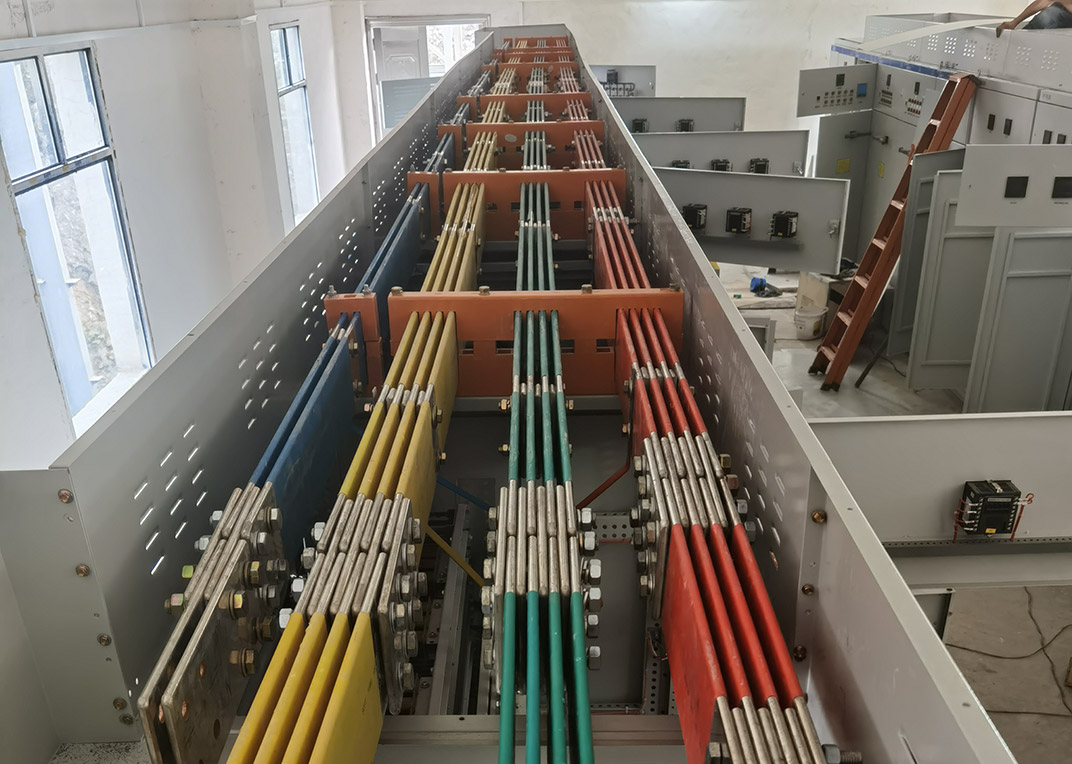 \n
\n
\n 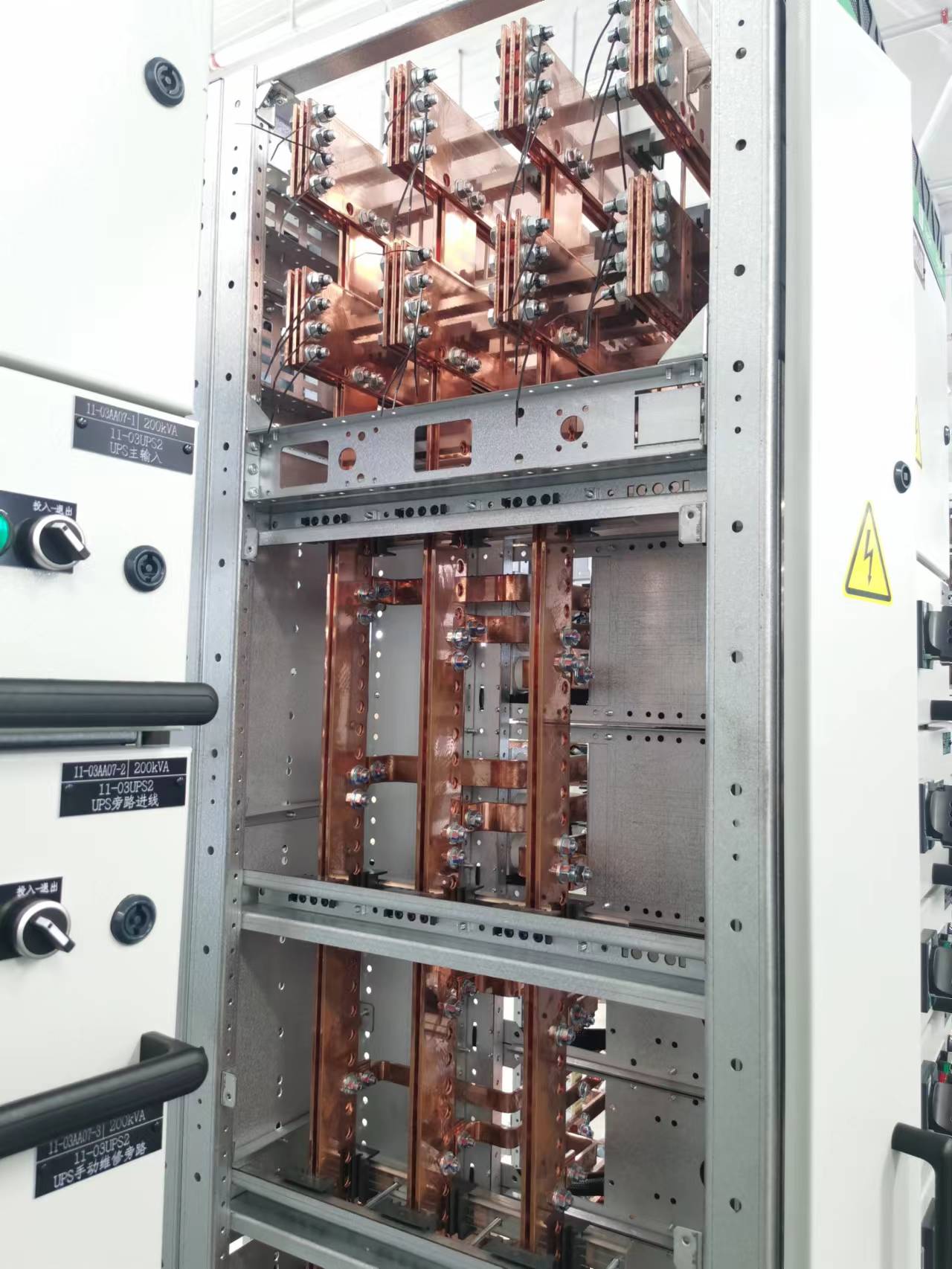 \n
\n
\n 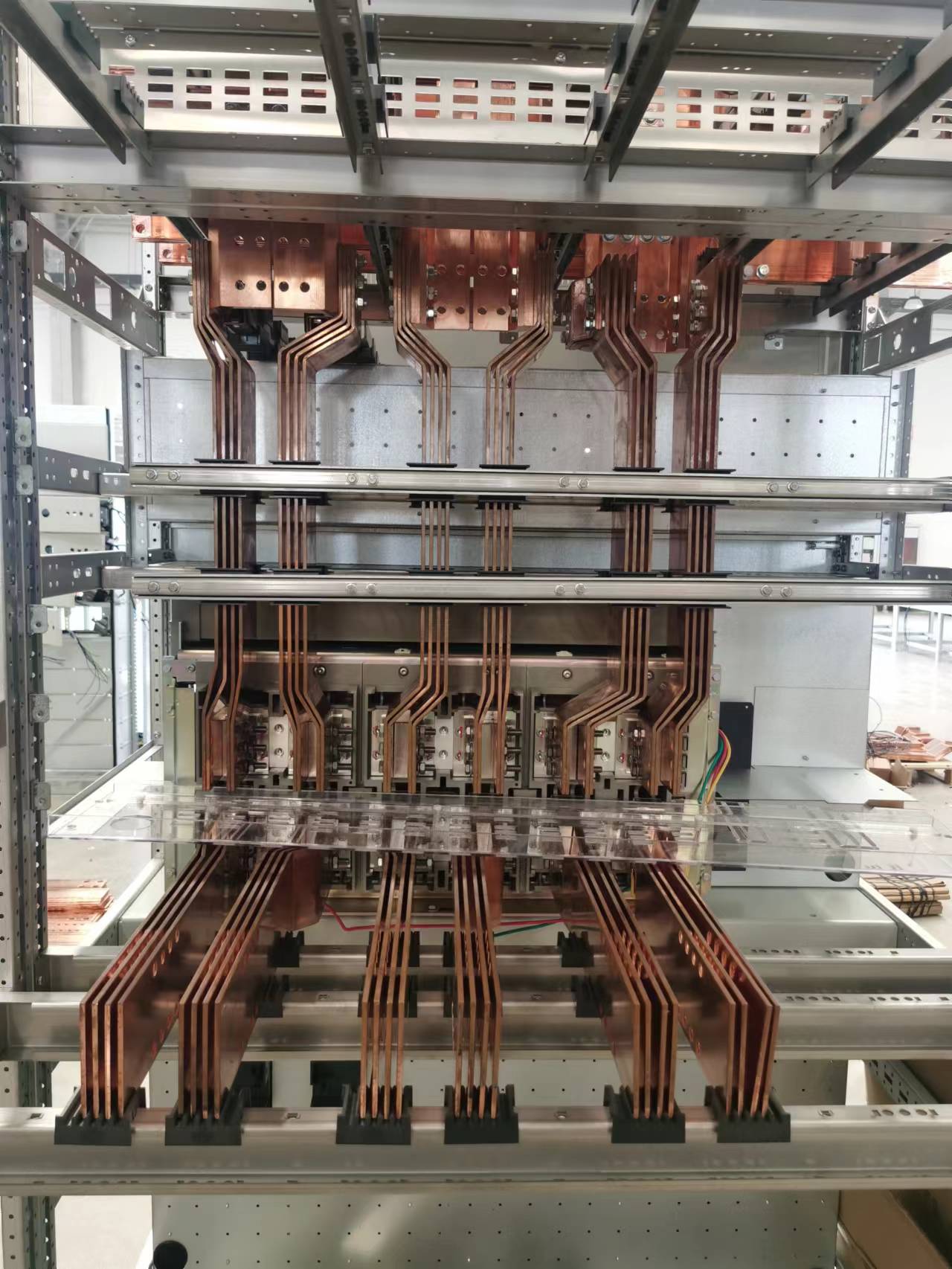 \n
\n
\n
\n